Cheap houses in Japan
Yes, you can buy a house in Japan for under $50,000. On Japan Houses, 38% of the houses for sale cost that much or less: half of them under $24,801, and 13% under $10,000. Most are older wooden houses in the countryside. Foreigners can buy them on the same terms as Japanese buyers.
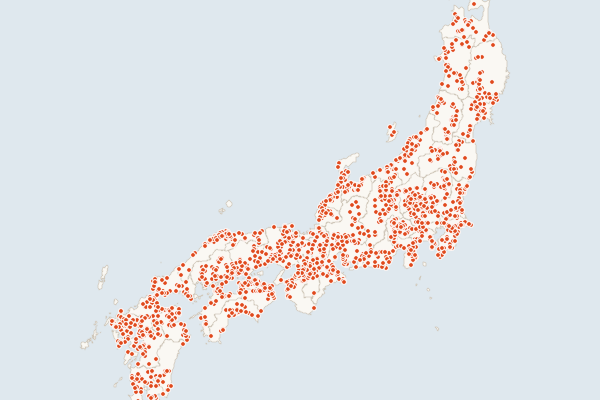 Open map view
2,167 houses · Updated

12SDK house with a separate steel annex on an 800 m² lot in Shikano, Tottori

Eleven-room house on 1,689 m² with potential for a kominka cafe
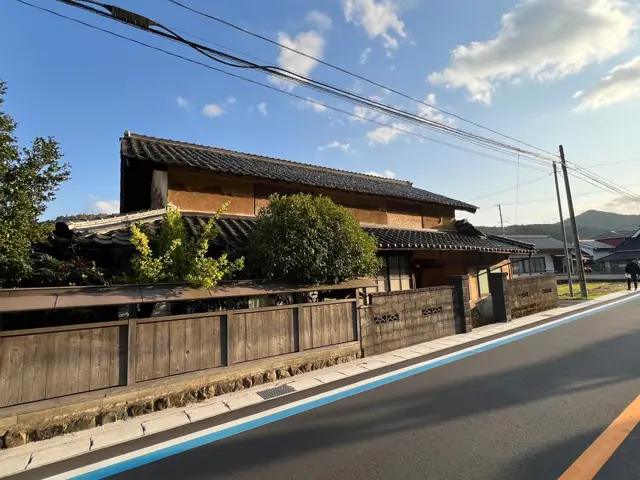
Single-storey 6DK house on a 993 m² lot in Ayabe, Kyoto
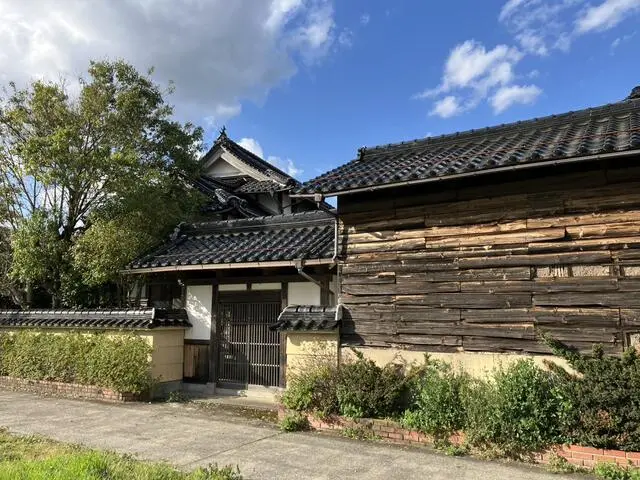
1986 eight-room house with free parking near Kokuei Station, Tottori

1916 retro machiya-style house with renovated bath, Hirose, Yasugi, Shimane
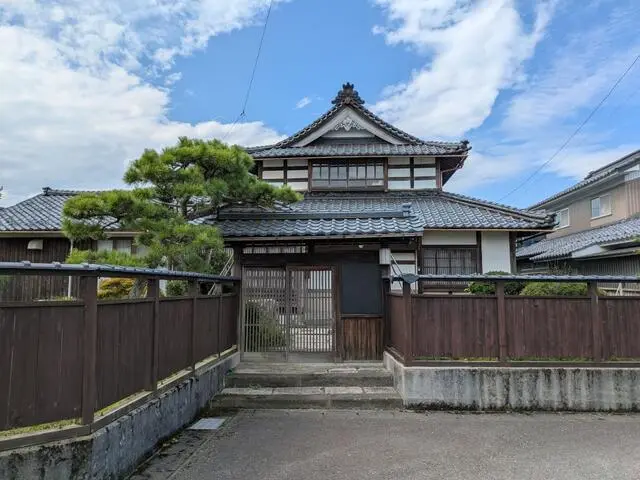
Traditional 7SLDK Japanese house on a 619 m² lot in Fukui
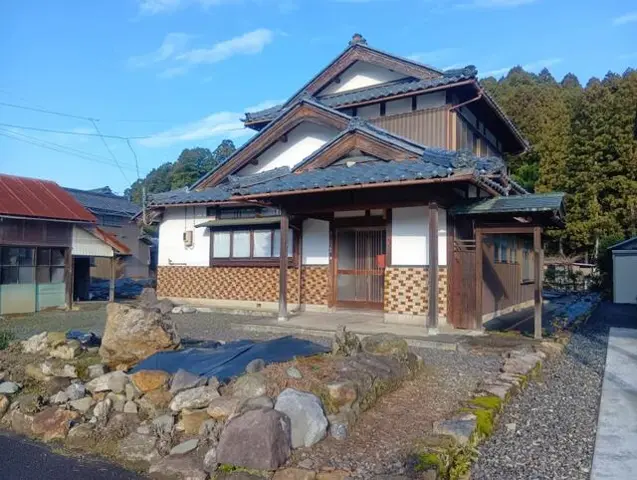
9DK house 8 minutes from Echizen-Takefu Shinkansen station
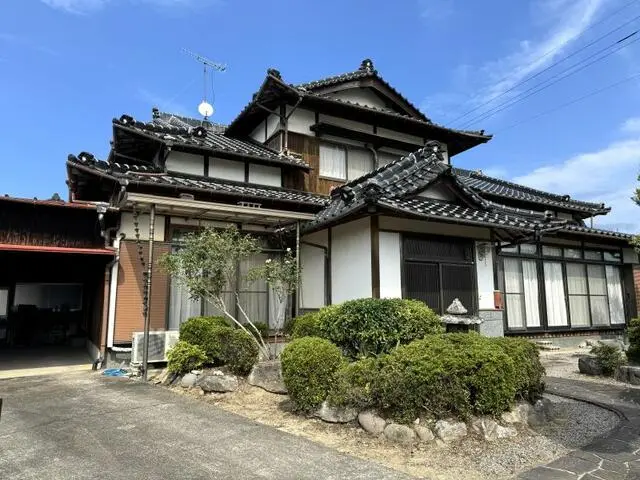
5LDK Japanese-style house with garden and storehouse in Usa, Oita

Single-storey 9LDK house with garden on 1,093 m² in Yoshiumi, Imabari, Ehime

10SDK house with garage and kura on 594 m² of land in Kotoura, Tottori
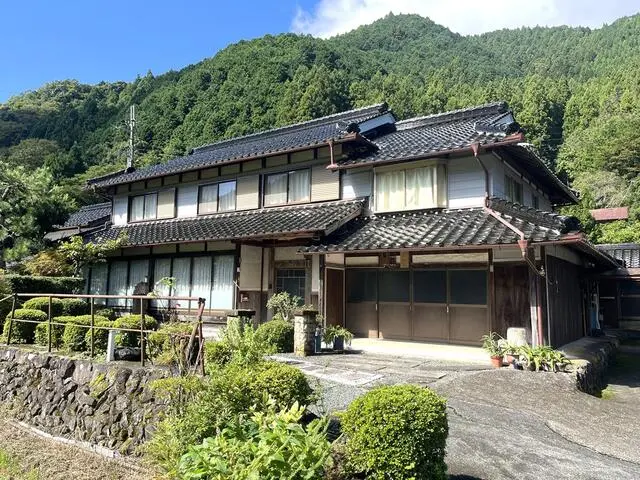
Tiled-roof farmhouse with kura, rice paddies and 3.2 ha of forest in Aogaki, Tamba
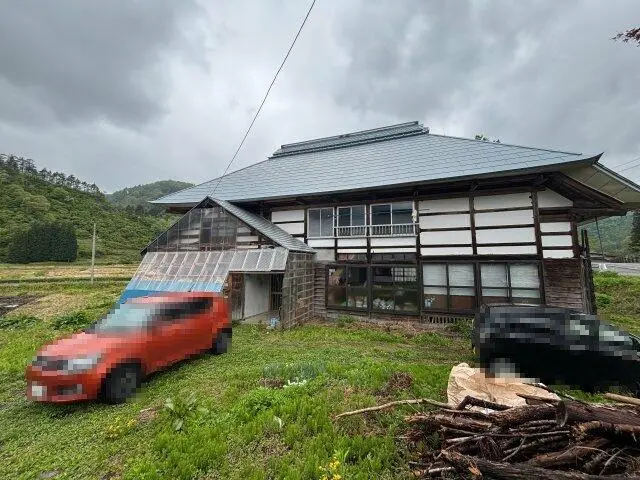
6DK wooden house in Showa Village, Fukushima, with free parking

Single-storey 9K kominka with two barns on a 1,187 m² lot in Shobara, Hiroshima
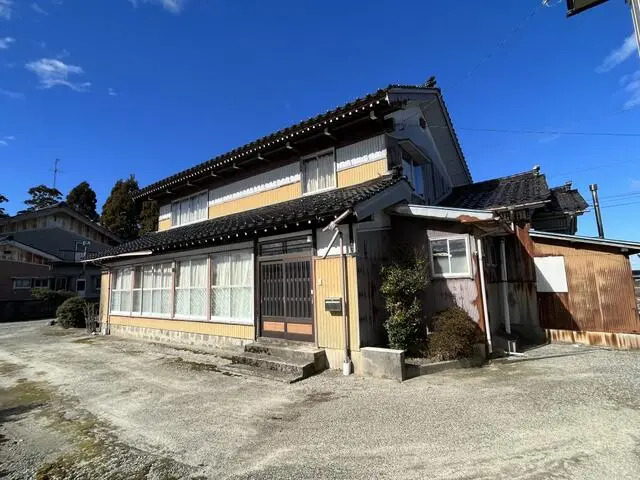
10DK house with fine beams, barn and garage in Nyuzen, Toyama

11DK house on a 1,690 m² lot among rice fields in Shika, Ishikawa
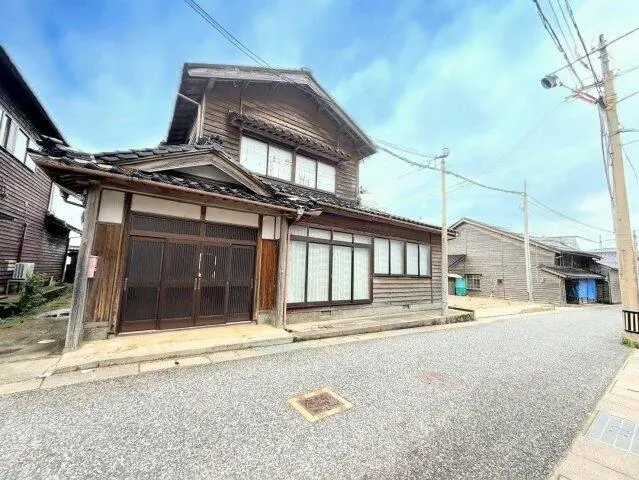
7DK kominka in the Kuroshima historic district, Wajima, Ishikawa
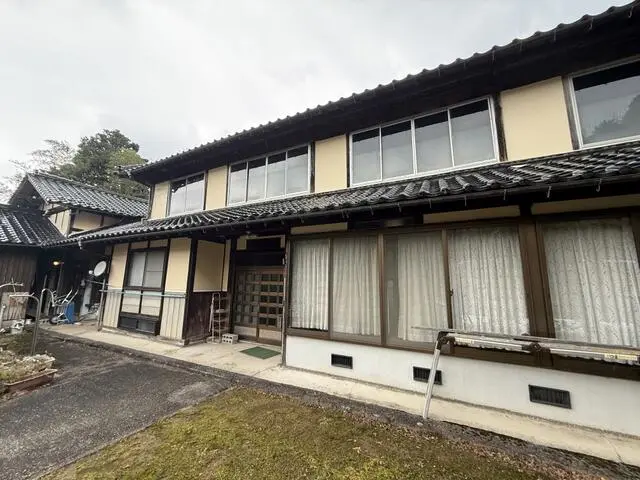
10LDK house on a 605 m² lot near Route 426 in Tanto, Toyooka, Hyogo

Large 9DK house near a bus stop in Kamitenge, Fukui City
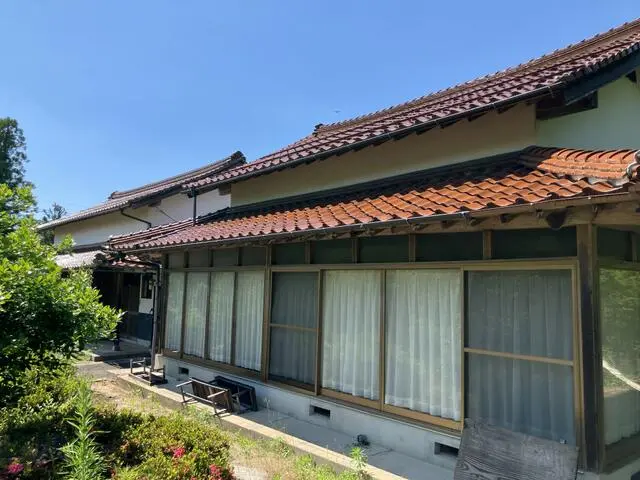
Hilltop kominka with garden and storehouse in Hikawa, Izumo

Large 314 m² house five minutes from Wakigami Station in Gose, Nara
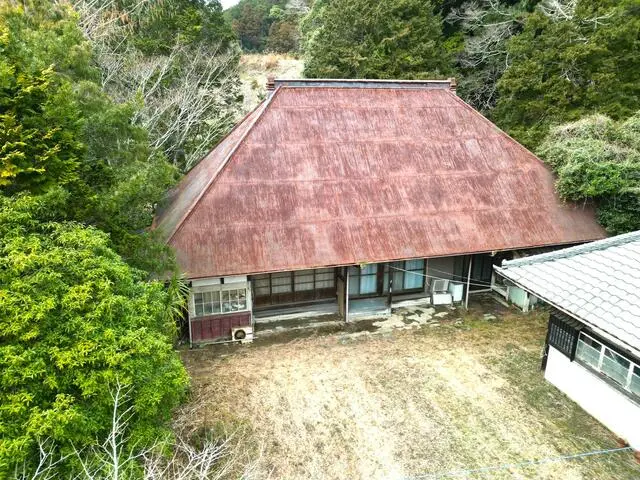
Century-old 4LDK farmhouse with three outbuildings in Kamogawa, Chiba
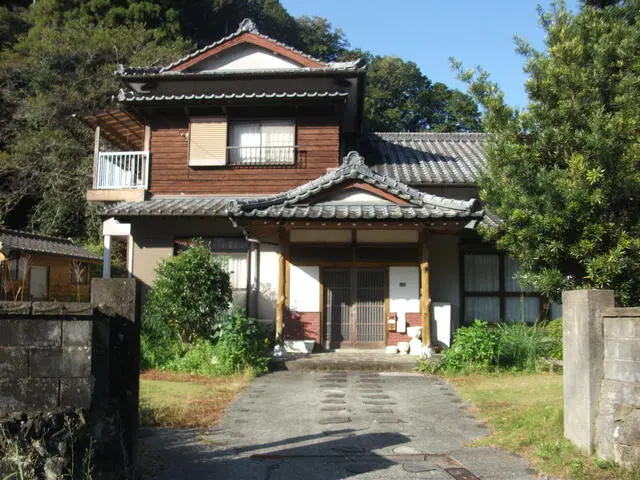
Two-storey 7DK house on 773 m² in Yayoi, Saiki, Oita
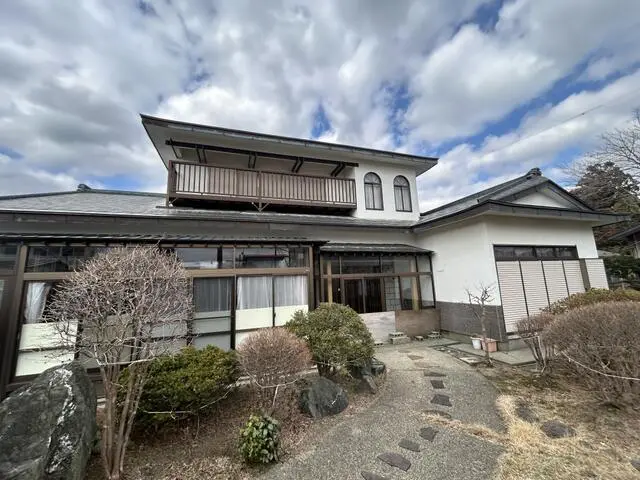
7DK retro-modern house with copper roof near Kado Station, Mitane, Akita

12DK house with barn and unregistered annexes in the hills of Himi, Toyama

11DK 1930 house of 366 m² on a 1,023 m² lot in Yumesaki, Himeji
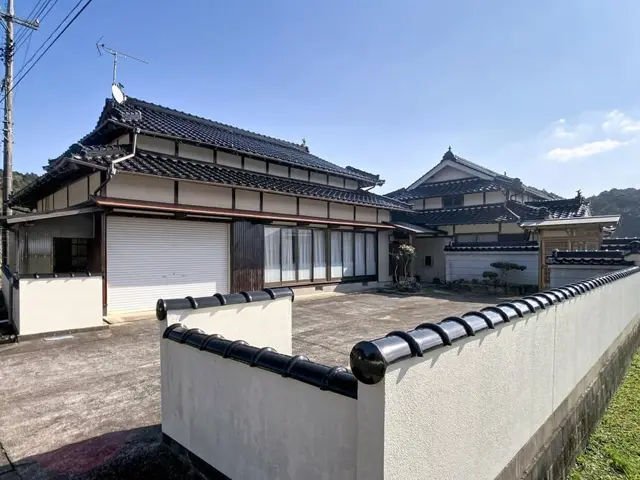
Single-storey 7DK house of 212 m² in Hohoku, Shimonoseki, Yamaguchi

Eight-room house with field and shed, Yasui, Tsuyama
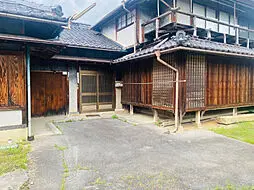
1940 farmhouse with roofed parking for four, Kamihisakata, Iida

Single-story 11DK Japanese-style house on a 508 m² lot in Tsu

1997 house on 1,954 m² in Karakuwa, Kesennuma, Miyagi

Large 8DK house facing the sea in Takuma, Mitoyo, Kagawa
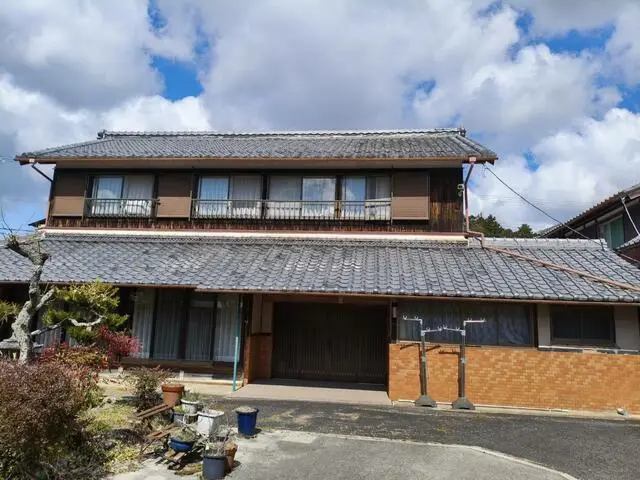
1921 wooden house with 1,051 m² of land in Koka, Shiga
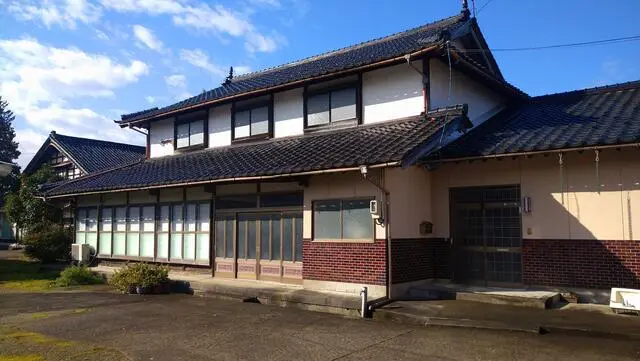
120-year-old kominka on a 1,130 m² lot with a well in Tonami, Toyama

1945 6DK house with warehouse and koi pond on 1,042 m² in Usa, Oita

6DK+S house with garage in an urbanization control area, Gose, Nara
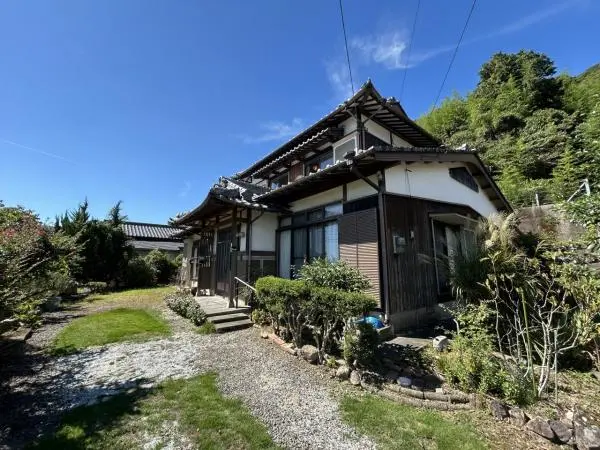
7DK house with 4-car parking on 1,120 m² in Higashitaku, Taku, Saga
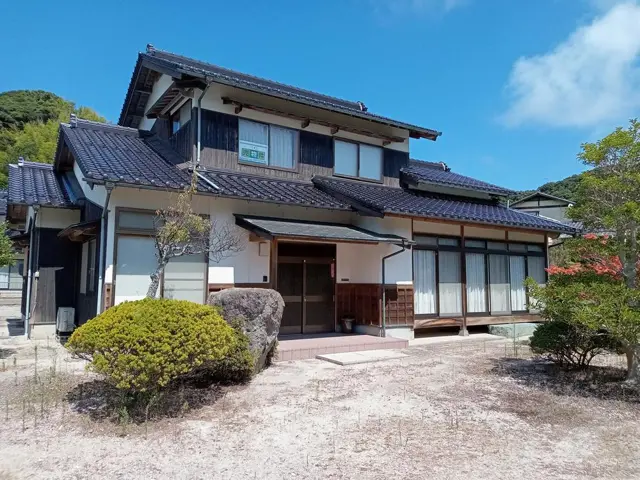
5LDK house on a 1,270 m² lot between sea and mountains, Mihonoseki, Matsue

Terraced-site 9LDK kominka with outbuildings in Sudama, Hokuto, Yamanashi

Spacious 9DK countryside house with parking for three in Nantan, Kyoto
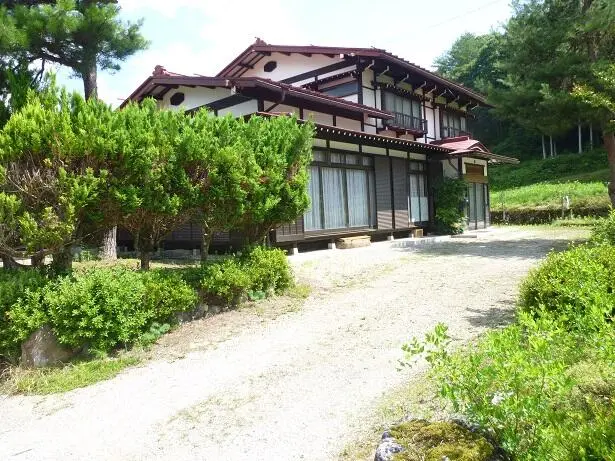
12DK house with 6,530 m² of land including farmland in Kamioka, Hida
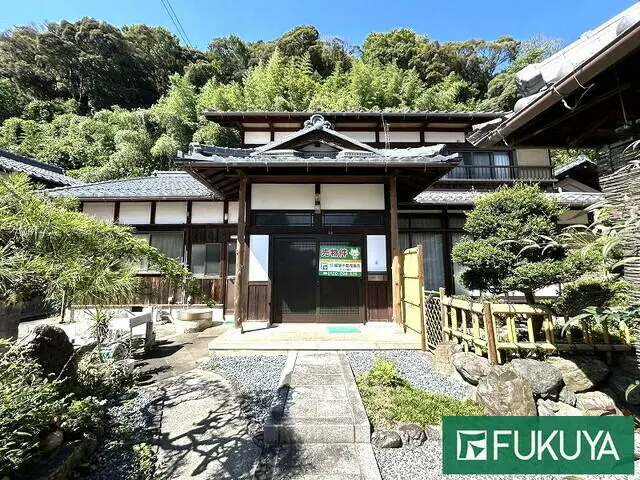
Japanese-style farmhouse with garden and annexes in Omihachiman, Shiga

Single-storey 7LDK house of 250 m² on 1,024 m² in Hitachiota, Ibaraki

Three-storey concrete building with sunset roof terrace near Kada Station, Wakayama

10DK house on a 1,100 m² lot, 9 min from Fujishima Station, Tsuruoka
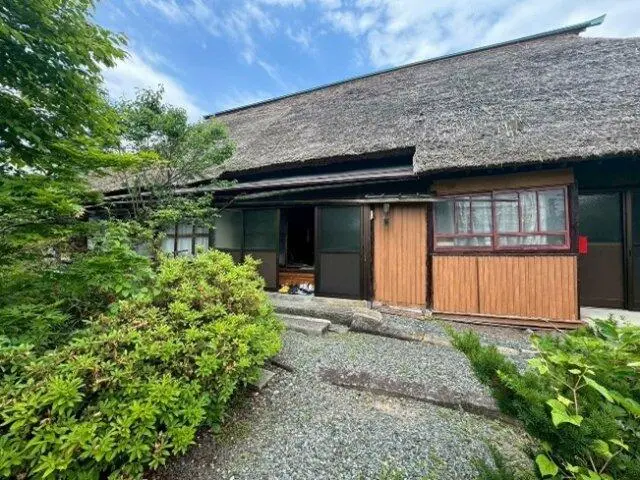
170-year-old thatched-roof farmhouse on 1,358 m² in Yamanobe, Yamagata
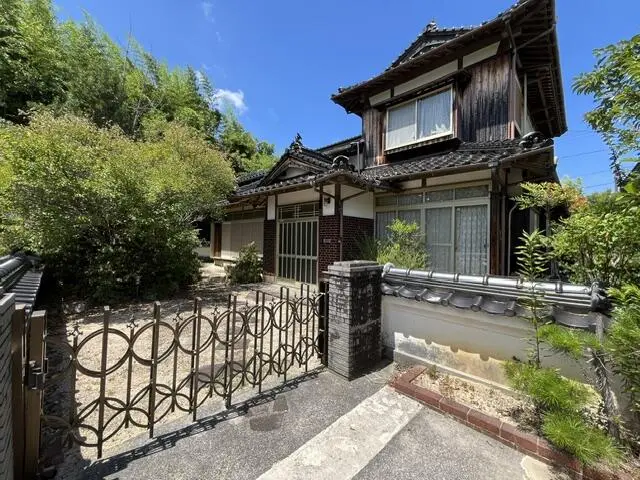
Seven-room house on a 564 m² plot near Asa Station, Yamaguchi

Single-storey 5LDK on 1,000 m² in Jinseki Kogen, Hiroshima

5LDK 1926 house with wood stove, wood-fired bath and pizza oven in Hagi
No house matches these filters
Try a higher budget or reset the filters.
What you get for under $50,000 in Japan
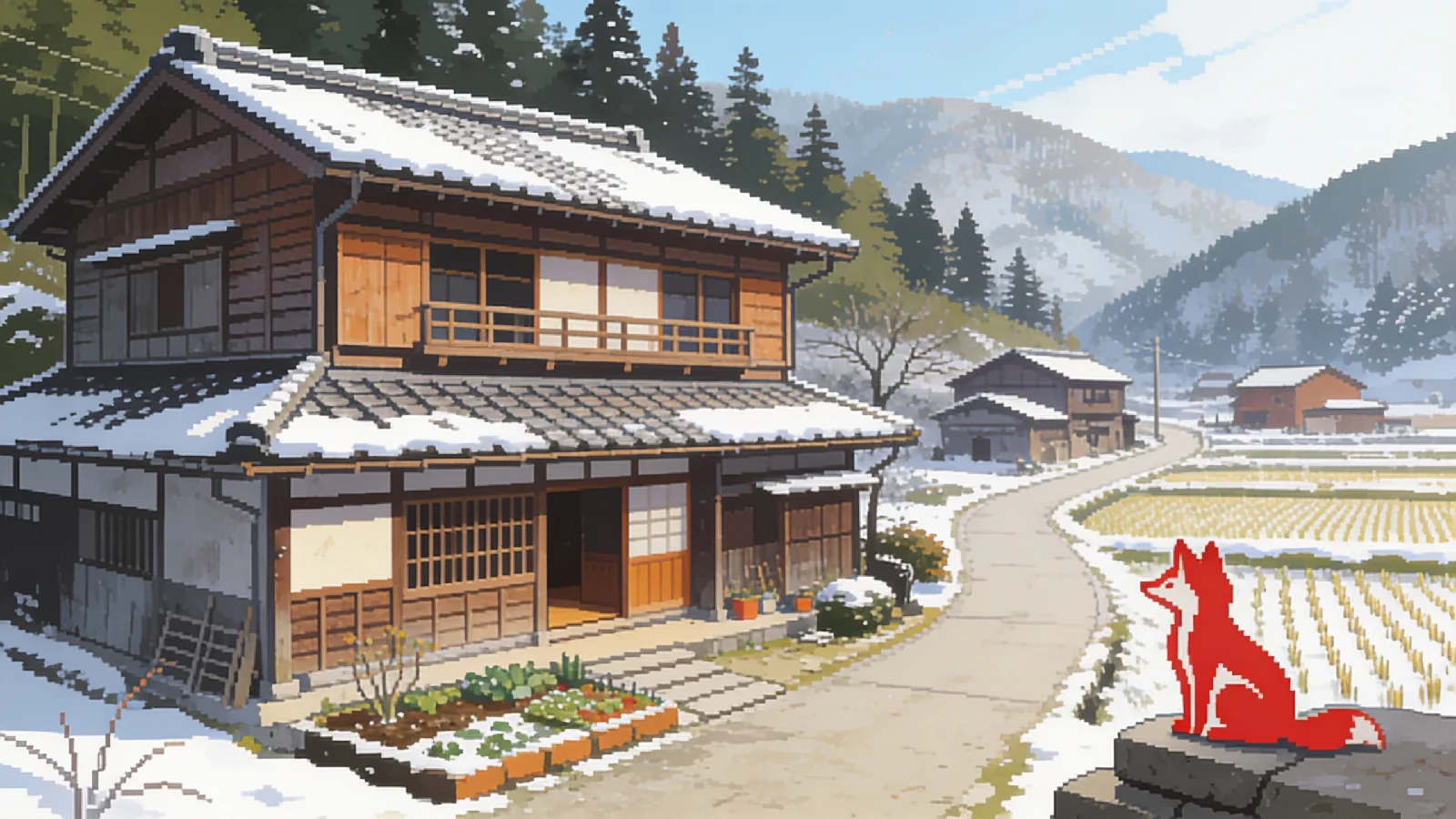
On Japan Houses, 38% of all the houses for sale cost $50,000 or less. Half of them cost under $24,801, and 13% cost under $10,000. The typical one is a wooden family house built in the 1970s, with about 132 m² of floor space on a 464 m² plot, in a small town or a village. 75% are empty, so they can usually be visited and handed over quickly.
Share of the houses on this page in each $5,000 band (asking price converted to US dollars, updated with every new listing). In orange: under $10,000.
The cheapest band is not where most of the choice is: houses between $25,000 and $50,000 make up 49% of this page. Below $10,000 the house is often sold for little more than its land, and the price can hide a large repair bill. Houses offered for free or for a symbolic price are covered in our guide to free houses in Japan.
Where the cheap houses are
Cheap houses are not limited to one corner of Japan. In every region except Okinawa, between 32% and 44% of the houses we list cost $50,000 or less; Chugoku has the highest share. Two markets stand apart: only 19% of our Tokyo houses and 3% of our Okinawa houses are that cheap. Within a prefecture, the town matters more than the region: the same prefecture often has very cheap houses in its mountain villages and expensive ones near the station of its main city.
| Prefecture | Share of its houses under $50,000 | Median price of those houses | Built before 1981 |
|---|---|---|---|
| Wakayama | 49% | $31,161 | 66% |
| Shimane | 48% | $26,073 | 90% |
| Mie | 47% | $22,130 | 72% |
| Yamaguchi | 47% | $25,437 | 74% |
| Niigata | 46% | $20,350 | 82% |
| Fukushima | 46% | $27,027 | 72% |
| Okayama | 46% | $24,165 | 76% |
| Toyama | 46% | $24,801 | 84% |
The prefectures above are the ones where a cheap house is most likely, not always the ones with the cheapest houses. Each prefecture page lists all its houses, and the house prices in Japan page compares the median price of all 47.
Why houses in Japan are this cheap
The low prices have three causes. Rural towns are losing people, so many inherited houses have no buyer. Japanese wooden houses are rarely kept long: the government estimated that houses were demolished after 32 years on average, against 67 years in the United States, so a house over 30 years old is valued mostly as land. And 77% of the houses on this page were built before 1981, when Japan's earthquake code was strengthened. Buyers and banks discount those houses because they usually need a seismic check and repairs. Our guide to akiya explains why so many of them are empty.
Problems to expect with a cheap house
- Repairs. Our condition check rates 46% of the houses on this page as needing major work or worse, and 45% as needing lighter work (paint, flooring, a new kitchen or bathroom). Only 2% are ready to move into, against 16% of all the houses we list. Ask for an inspection before you make an offer.
- The earthquake code. For a house built before 1981, the Ministry of Land, Infrastructure, Transport and Tourism recommends a seismic diagnosis. Ask the town hall whether it helps pay for one; reinforcement is a separate cost.
- Snow. 21% of the houses on this page are in the ten prefectures that are officially heavy-snow areas from end to end: Hokkaido, Aomori, Iwate, Akita, Yamagata, Niigata, Toyama, Ishikawa, Fukui and Tottori. Parts of fourteen other prefectures, such as Nagano, Gifu and Hyogo, are classed the same way. In those areas the roof has to be cleared in winter, and an empty house needs someone to check on it. Heavy-snow areas cover about half of Japan's land.
- A car. Only 37% of the houses on this page are within a 15-minute walk of a station. Most buyers of a cheap rural house need a car for shopping, the hospital and the station.
- Rebuilding. A plot must touch a road at least 4 m wide along at least 2 m, or a new house cannot be built on it. About 2% of the listings here say outright that the house cannot be rebuilt; for the others, check the road access on the listing.
- Farmland. 13% of these houses come with a vegetable field or rice field. Farmland can only change hands with the permission of the local agricultural committee, for any buyer, so the field may need its own approval or be left out of the sale.
- Leftover belongings. Many cheap houses are sold "as is", with furniture and belongings still inside. Clearing them is the buyer's cost unless the contract says otherwise.
What a cheap house costs in total
On a cheap house, the fees weigh more than on an expensive one, because some of them are fixed amounts. For the houses on this page, the agent's fee, taxes and the judicial scrivener typically add 8% to 15% to the asking price; on a house under $10,000 they can come close to half of the price. The main reason is the agent: for a house priced at ¥8 million or less, the law lets the agent charge up to ¥330,000 including tax, if this is explained and agreed before the contract. Here is the estimate for three houses for sale now, the same one each house page shows:
| Under $10,000 10DK south-facing house with three parking spaces in Maesawa, Oshu, Iwate | $15,000 to $30,000 11DK 1930 house of 366 m² on a 1,023 m² lot in Yumesaki, Himeji | $35,000 to $50,000 1921 wooden house with 1,051 m² of land in Koka, Shiga | |
|---|---|---|---|
| Asking price | $6,359 | $25,437 | $36,884 |
| Agent's fee (legal maximum) | $350 – $2,099 | $1,259 – $2,099 | $1,637 – $2,099 |
| Registration tax | $38 – $83 | $153 – $331 | $223 – $477 |
| Judicial scrivener | $509 – $954 | $509 – $954 | $509 – $954 |
| Acquisition tax | $0 – $102 | $0 – $407 | $223 – $591 |
| Stamp duty | $3 | $6 | $32 |
| Total to pay | $7,259 – $9,599 | $27,364 – $29,234 | $39,507 – $41,037 |
| Fees as a share of the price | 14–51% | 8–15% | 7–11% |
| Property tax, each year | $127 – $254 | $153 – $305 | $223 – $445 |
| Repair reserve for an older house | $9,539 – $38,156 | $9,539 – $38,156 | $9,539 – $38,156 |

The taxes depend on the assessed value set by the town, which is usually lower than the price, so the real amounts are often at the low end. The repair reserve is our rough budget for the first work on an older house; a kominka farmhouse in poor condition can cost far more. If you live abroad, you also need a tax representative in Japan to pay the yearly property tax. The steps, from the offer to the keys, are in our guide on how to buy a house in Japan.
Can foreigners buy a cheap house in Japan?
Yes. Foreigners can buy any of these houses on the same terms as Japanese buyers, and own the land. Owning a house does not give you a visa: to live in Japan you need a separate residence status. Banks rarely lend on old rural houses, so most cheap houses are bought in cash. The rules are in our guide: can foreigners buy property in Japan. For taxes or a contract, ask a licensed agent, a judicial scrivener or a tax accountant in Japan.
Questions
Can you buy a house in Japan for $50,000?
Yes. 38% of the houses on Japan Houses cost $50,000 or less, and half of those cost under $24,801. Most are older wooden houses in rural towns; 77% were built before 1981. Add 8–15% for fees and taxes, plus repairs.
Can you buy a house in Japan for $10,000?
Yes. 13% of our cheap houses cost $10,000 or less. At that price the house usually needs serious work, and the fees take a bigger share: the agent alone may charge up to ¥330,000 on a house priced at ¥8 million or less.
Is it possible to buy a house in Japan for $5,000?
Yes, a few houses are listed under $5,000, and some owners even give houses away. They are almost always old houses in depopulating villages, sold as is. Our free houses in Japan guide shows what those deals really involve.
Where are the cheapest houses in Japan?
Rural areas everywhere except Okinawa. On our site the share of houses under $50,000 is highest in Wakayama, Shimane and Mie. Tokyo and Okinawa have the fewest.
Can I get a mortgage for a cheap house in Japan?
Rarely. Japanese banks seldom lend on old wooden houses or to people who live abroad, so houses at this price are almost always bought in cash.
Does buying a cheap house in Japan give me a visa?
No. Owning property in Japan gives no right to live there. You need a separate residence status, for example a work, spouse or business manager visa.
What should I check before buying a cheap house in Japan?
The year it was built (before or after 1981), the roof and foundations, road access and whether it can be rebuilt, snow in winter, how far the shops and station are, whether farmland is included, and who clears the belongings left inside. Each house page on our site covers the legal points.
Sources: Statistics Bureau of Japan, 2023 Housing and Land Survey · Real Estate Information Library, Ministry of Land, Infrastructure, Transport and Tourism · Heavy snow areas, Ministry of Land, Infrastructure, Transport and Tourism · Brokerage fee rules, Ministry of Land, Infrastructure, Transport and Tourism · Earthquake resistance of houses, Ministry of Land, Infrastructure, Transport and Tourism. Listing data: Japanese real-estate agencies, translated by Japan Houses.
New houses, in your inbox
Free list, one email a week.