日本の家5713 houses · 47 regions · from $0
Find your dream house in Japan, without Japanese.
Japanese listings in English, with the real cost, the risks and a buyer check.
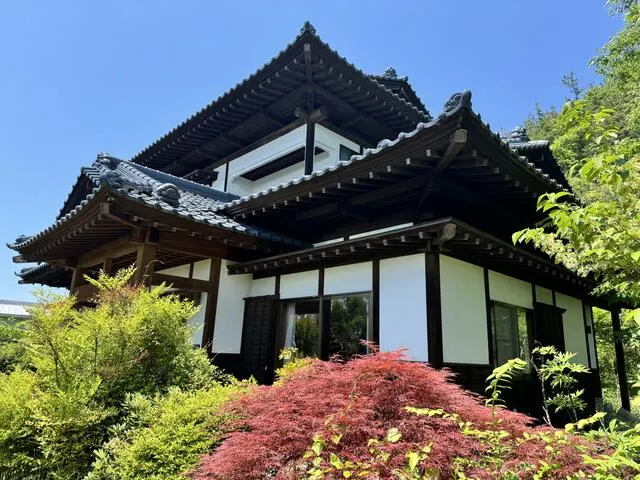
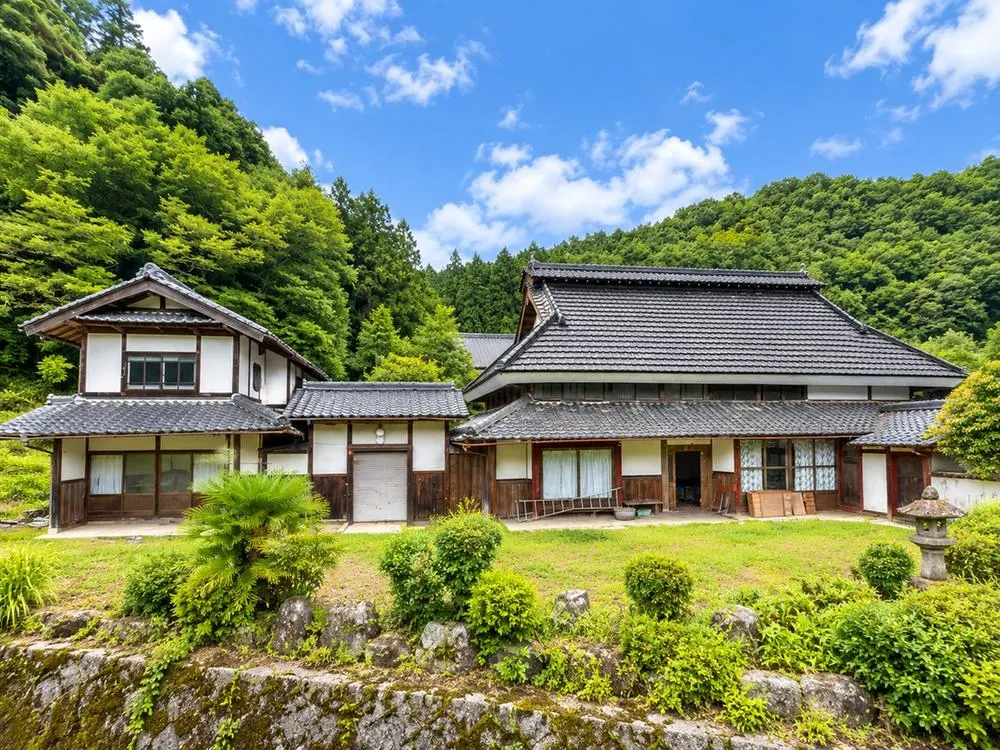
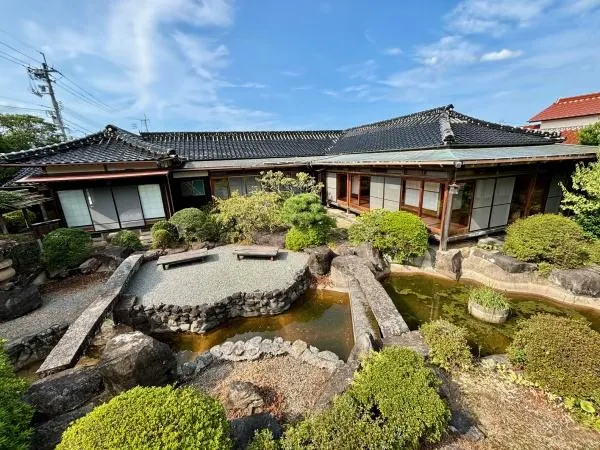
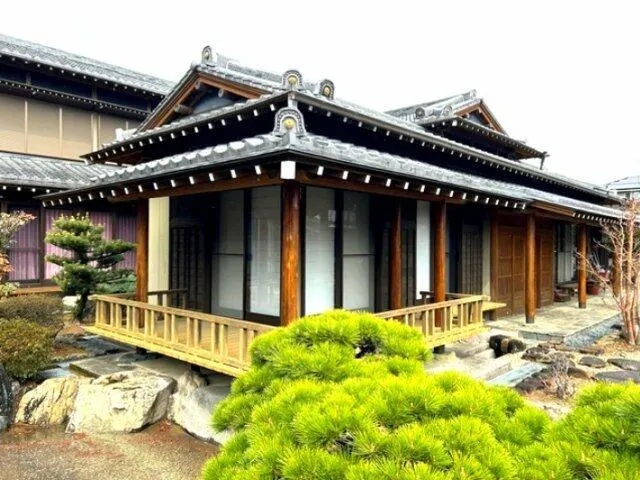
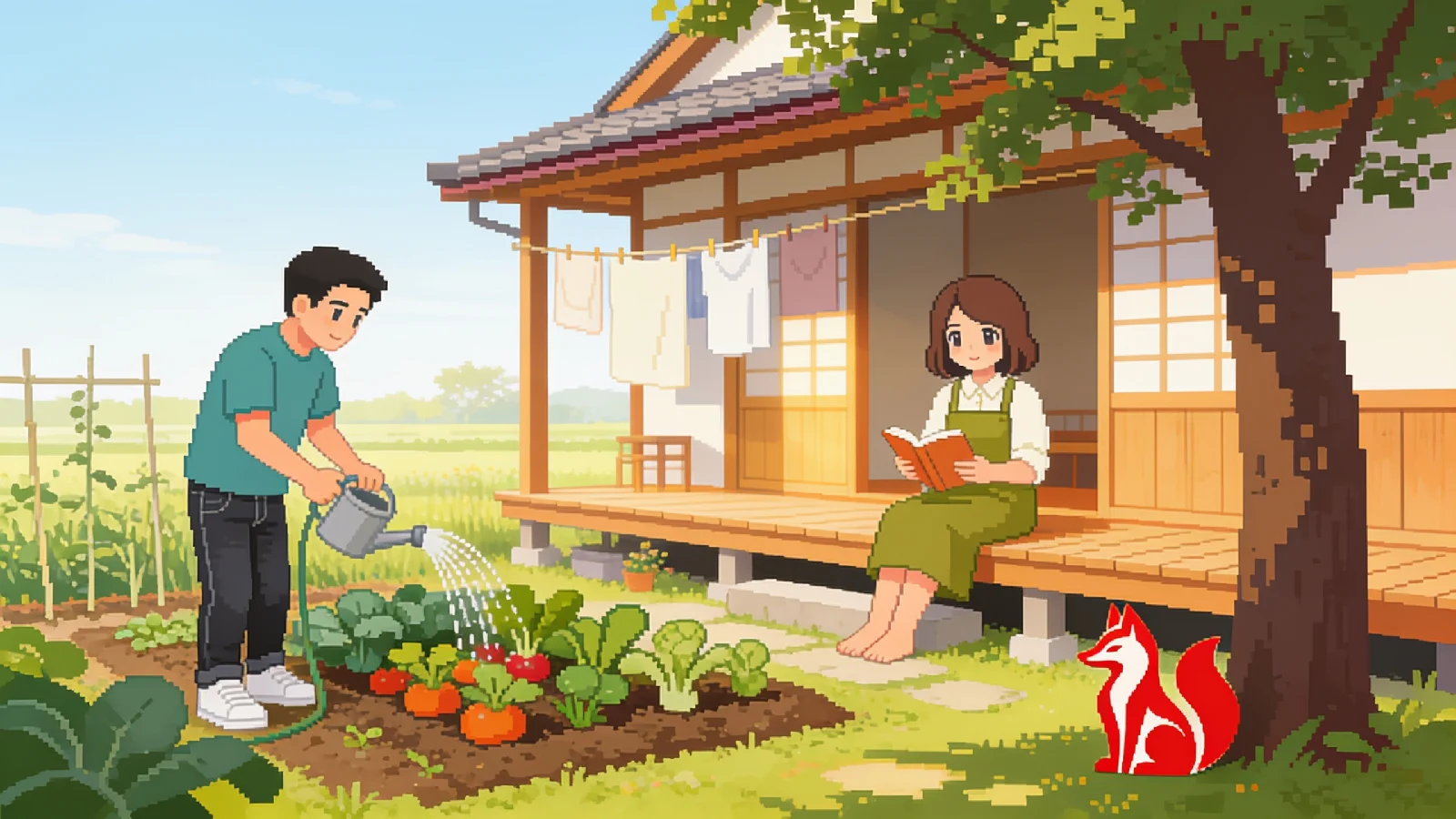
What kind of house do you want?
 By the seaFishing towns and beach villages618 houses
 Mountains and valleysForest, rice fields and long views954 houses
 Land to grow thingsGardens, orchards, room to spare4,259 houses
 AkiyaVacant houses at very small prices3,205 houses
 Old farmhousesTimber beams, tatami, deep eaves2,542 houses
 Near a hot springOnsen in the house or down the road158 houses
 RenovatedRedone inside, ready to live in1,243 houses
New this week
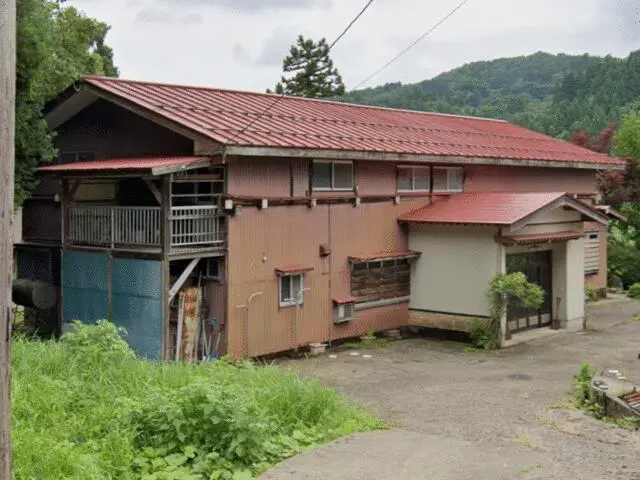
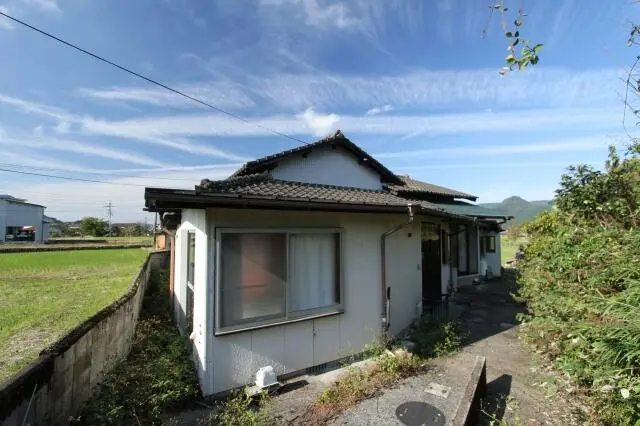
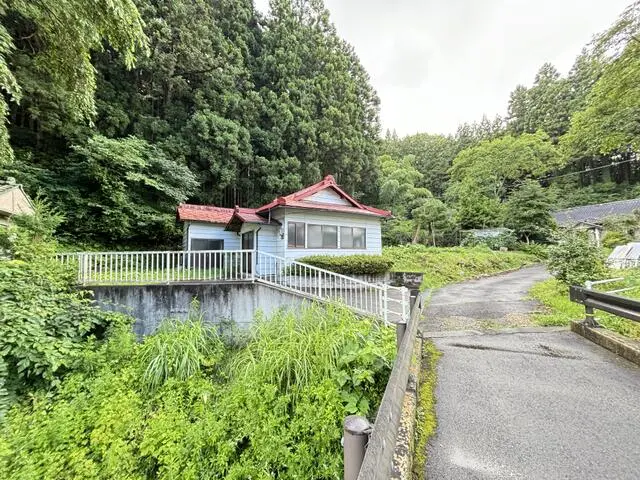
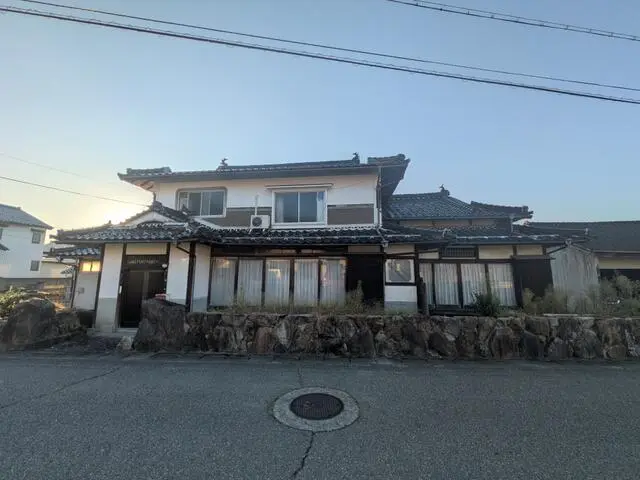
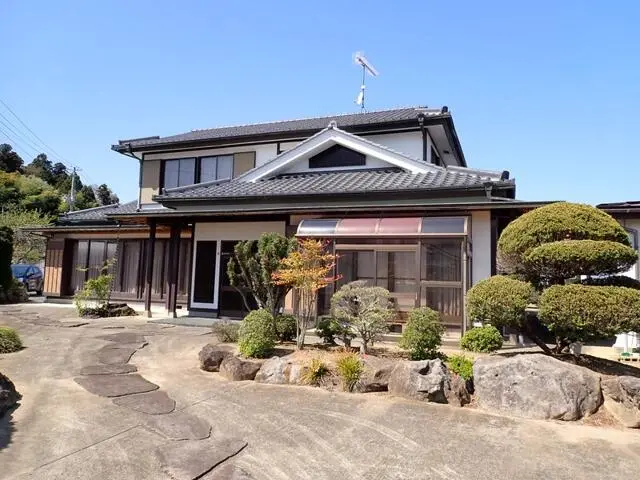
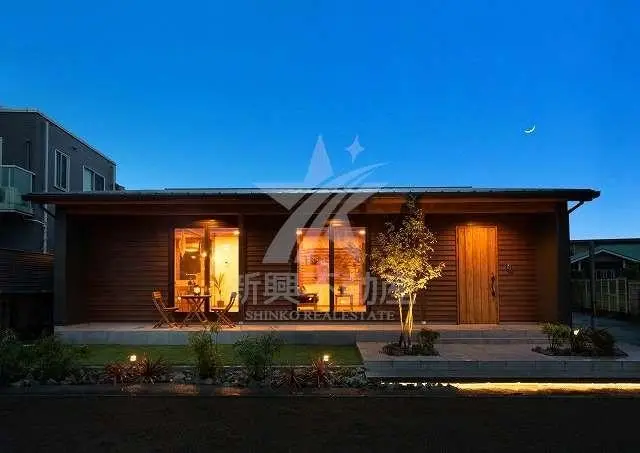
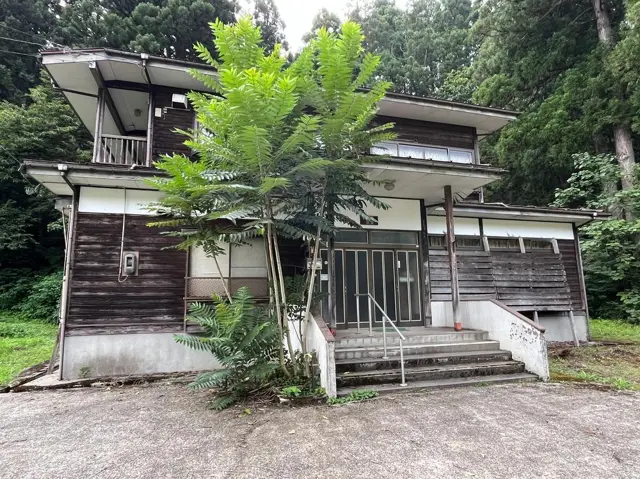
Single-storey 4DK house with a red roof near the Nadachi River, Joetsu
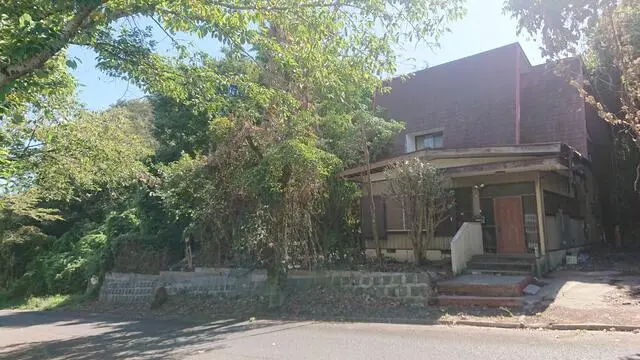
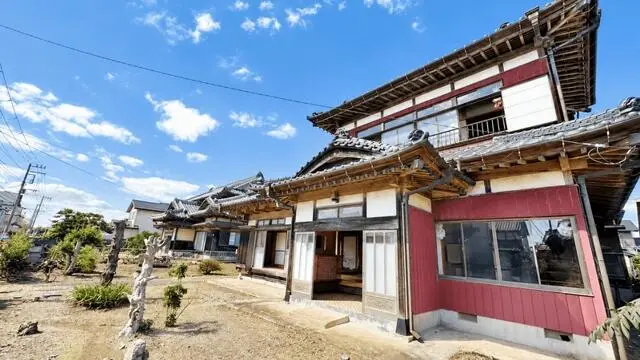
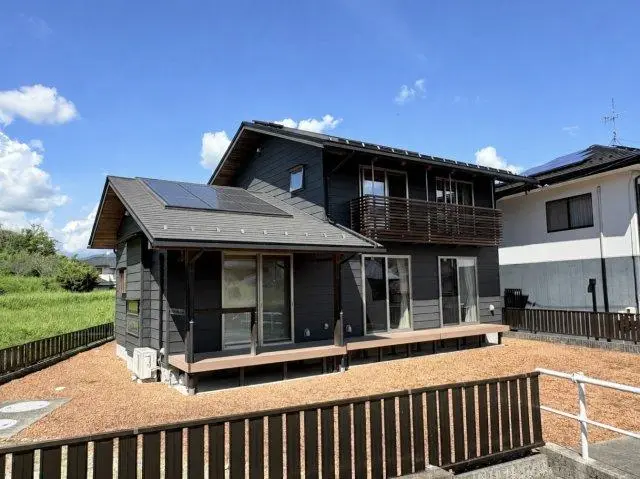
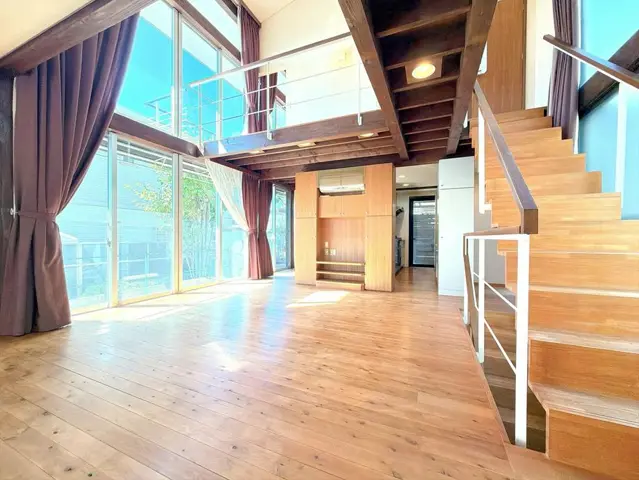
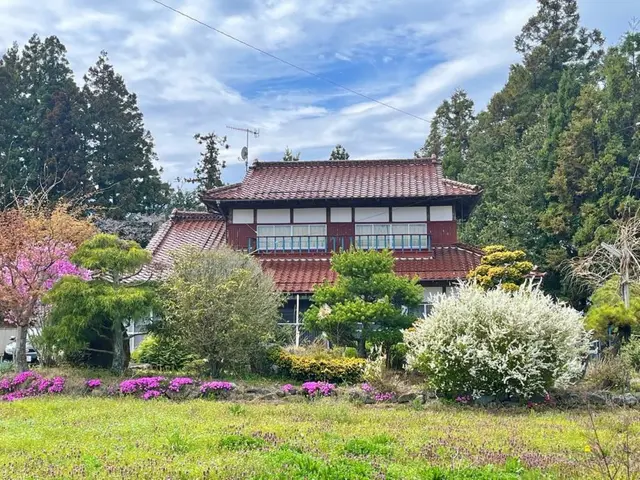
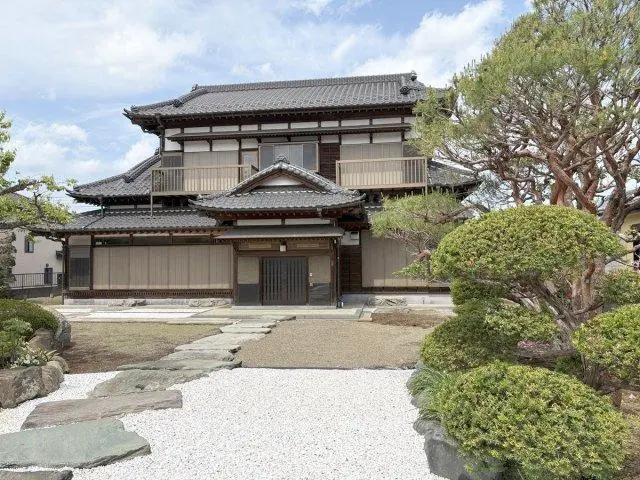
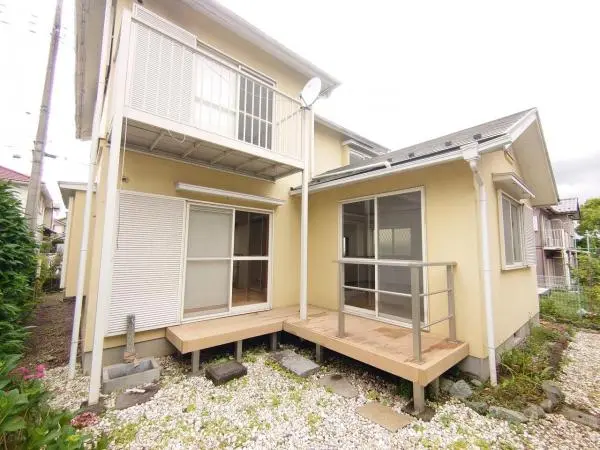
Two-storey 6LDK house on a 492 m² plot in Hataya, Omitama, Ibaraki
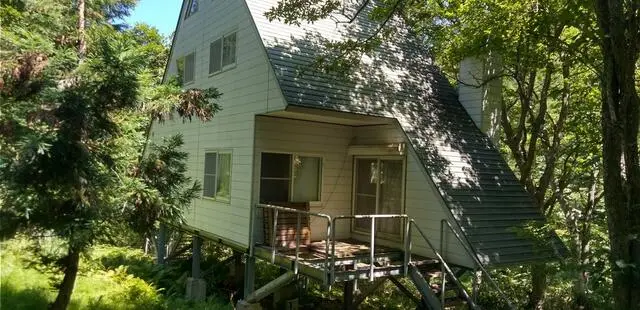
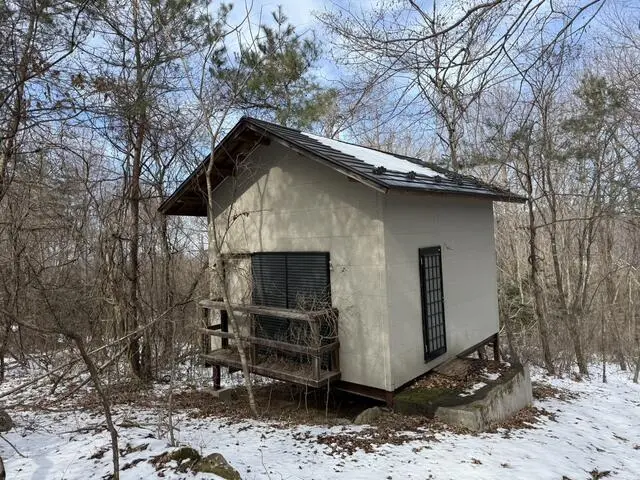
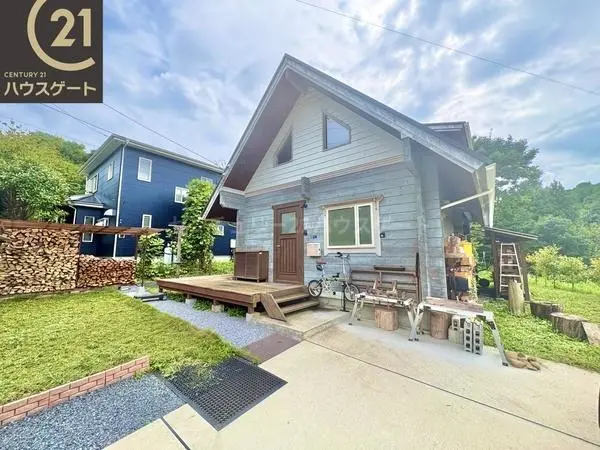
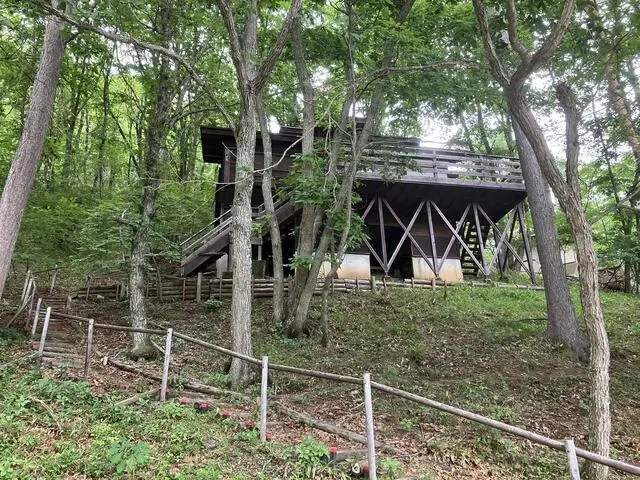
A-frame cabin in the forest at Rokumaya, Shokawa, Takayama
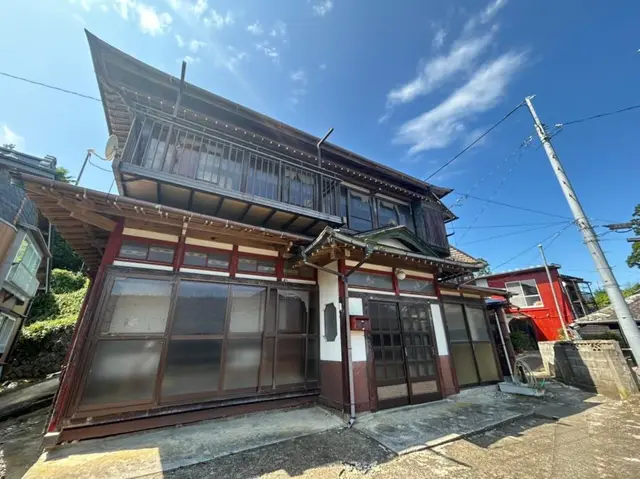
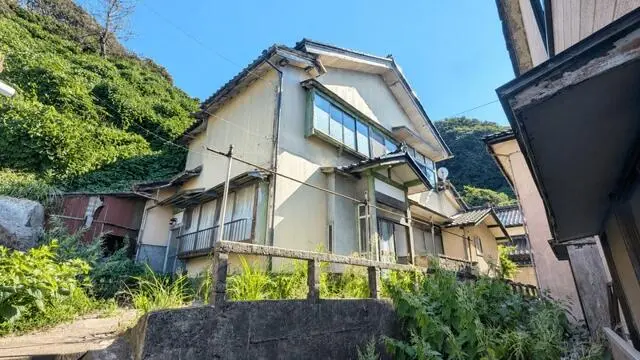
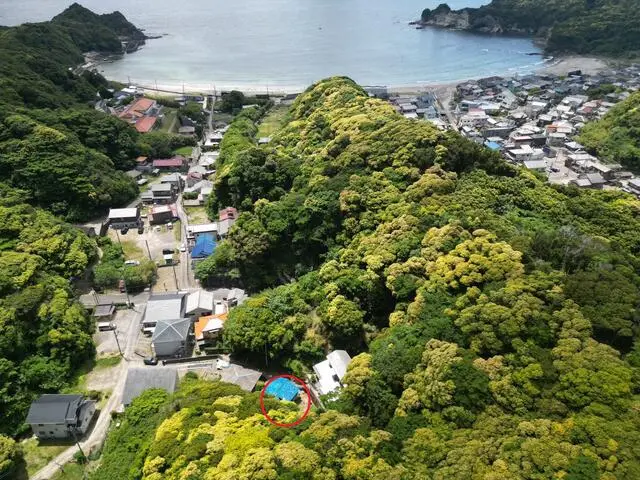
1961 two-story 7DK house on 2,122 m² in the Osu fishing village, Ogatsu
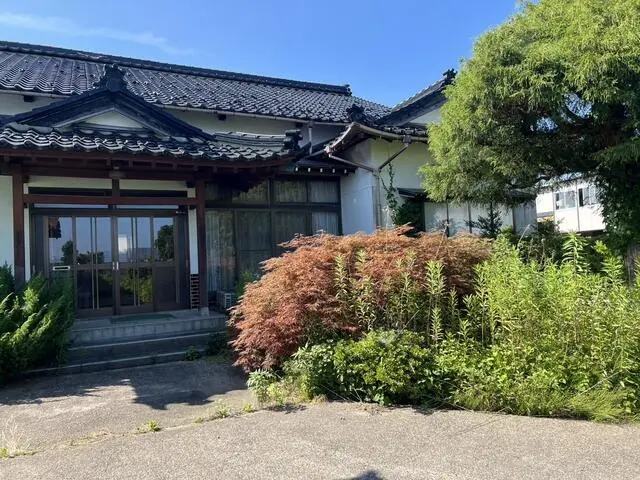
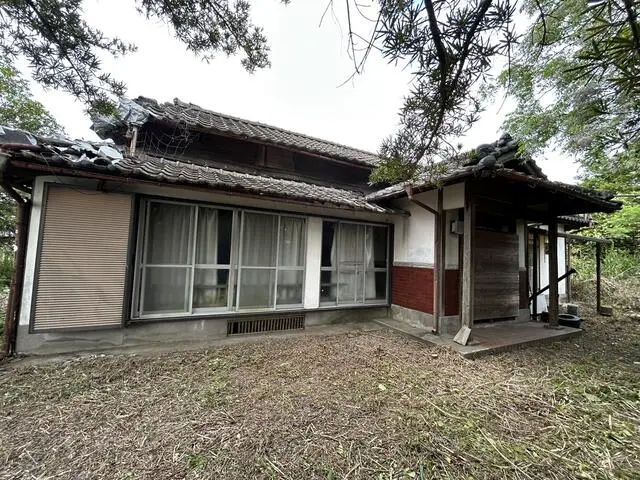
4DK house with two storehouses on 830 m² of land in Tsuruoka, Yamagata
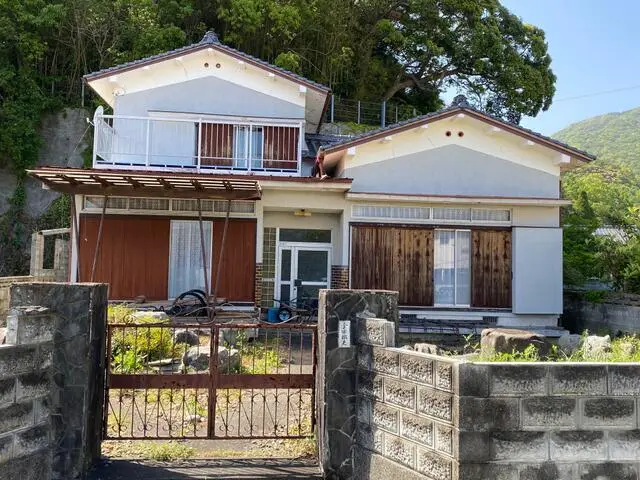
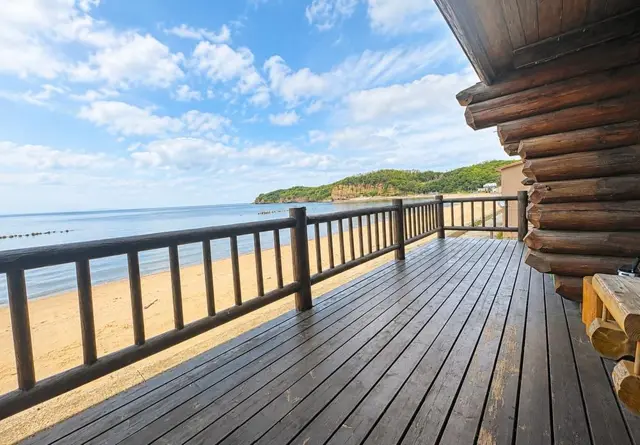
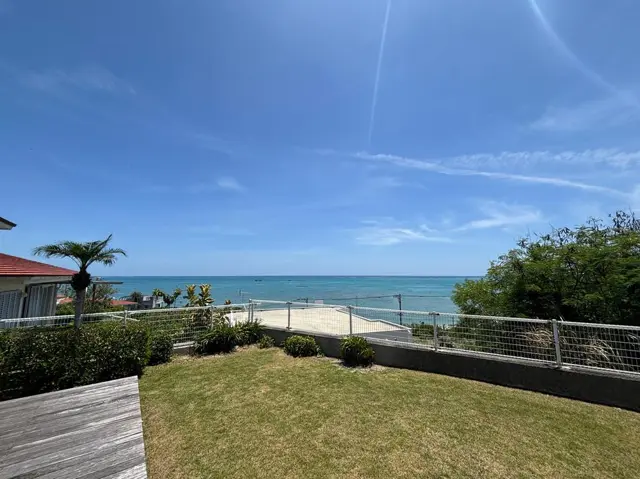
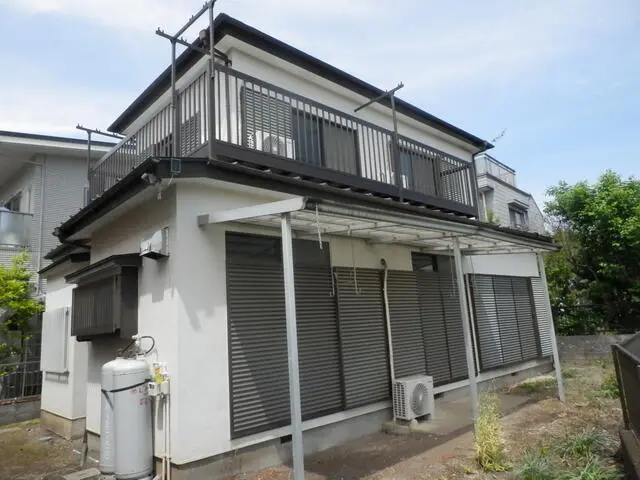
Two-storey 7DK house near the sea in Nie, Saiki, Oita
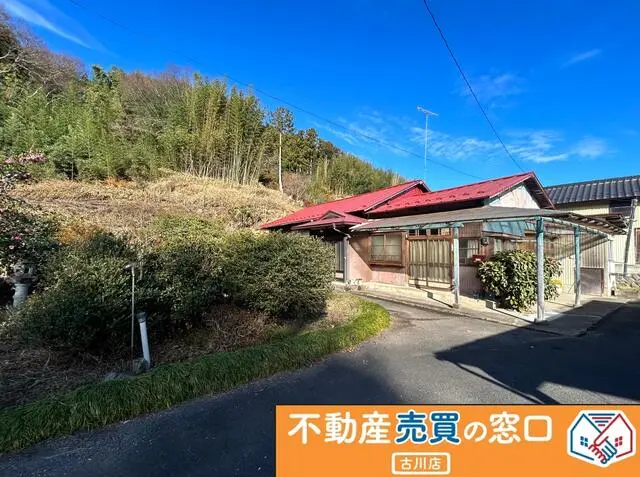
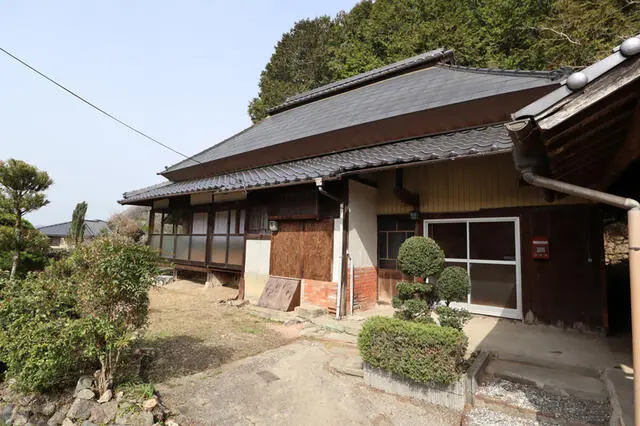
Single-storey 5DK house on 3,539 m² of rural land in Toyoma, Tome, Miyagi
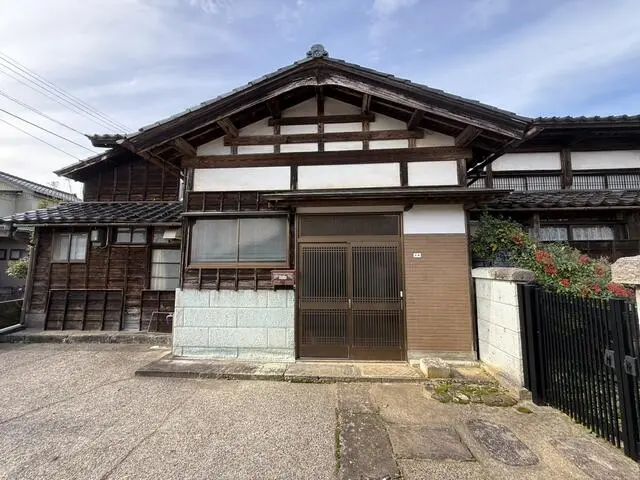
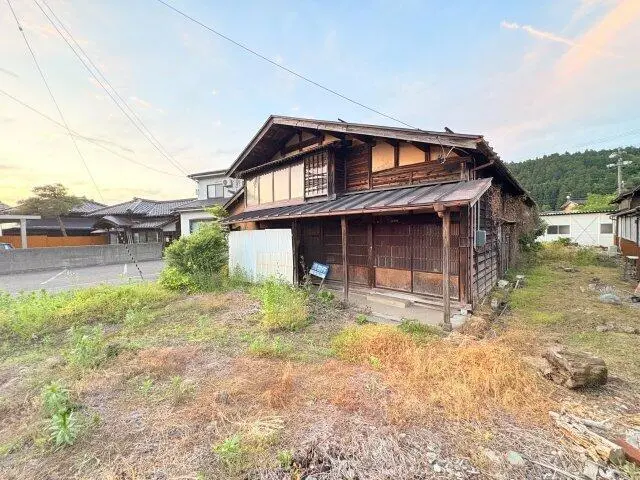
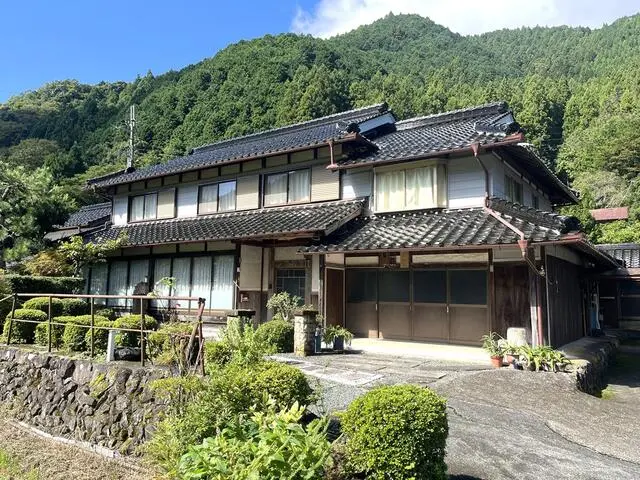
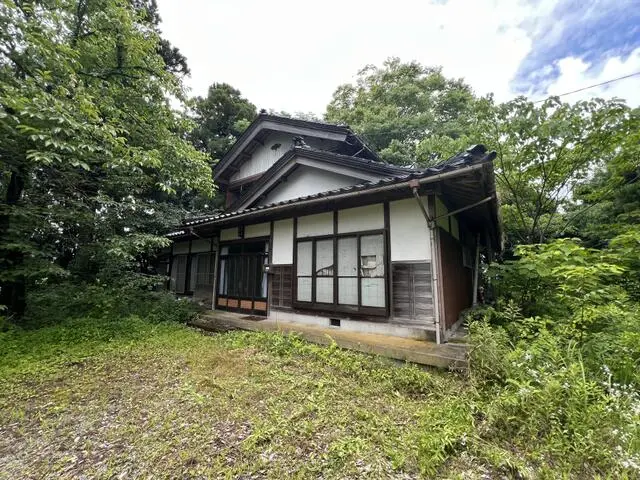
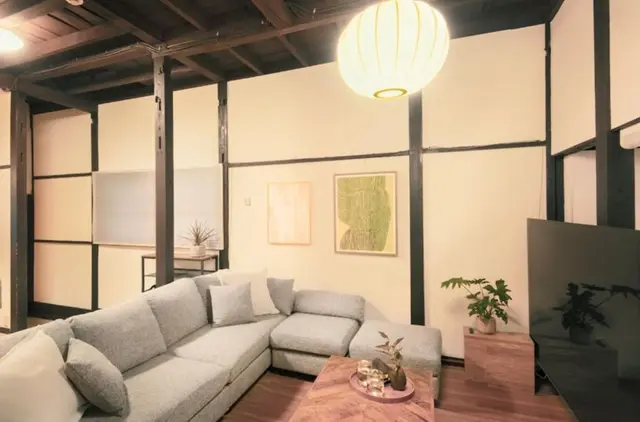
Century-old kominka with storehouse on 1,315 m² in Kashiwazaki, Niigata
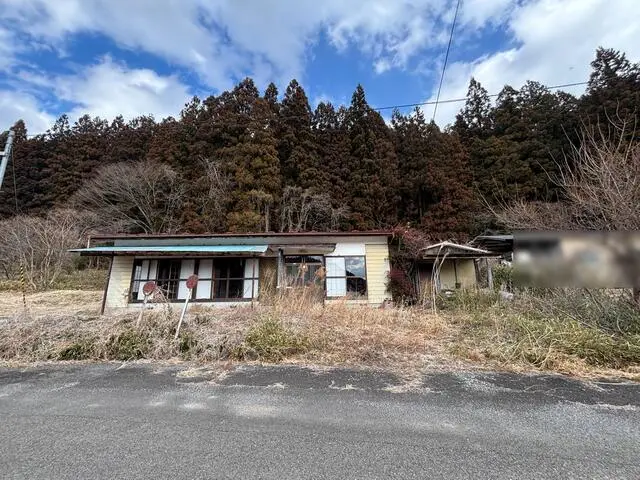
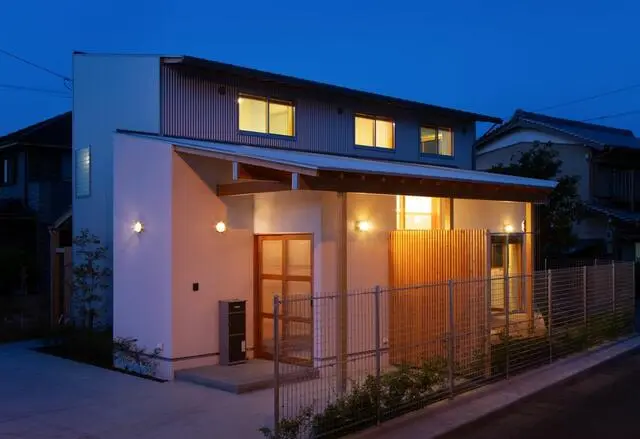
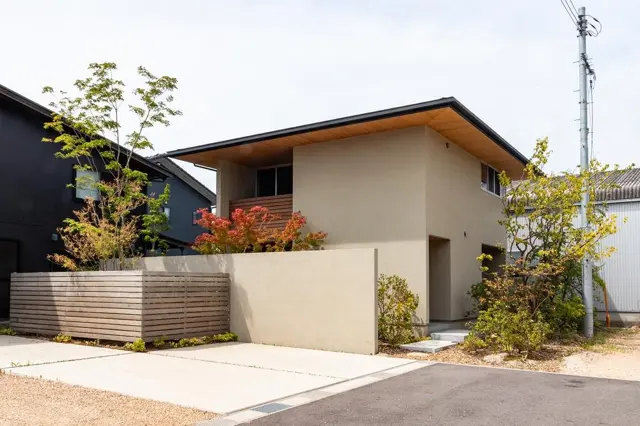
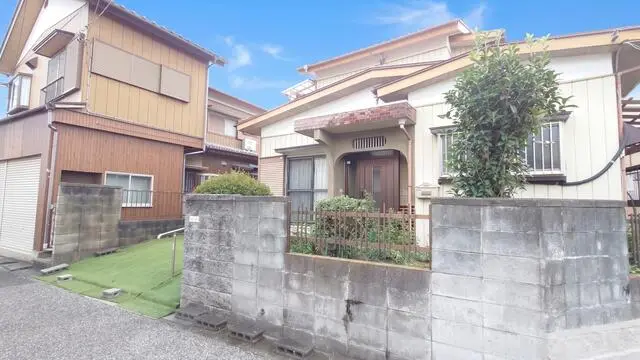
Single-storey 4DK house with space from neighbours in Taishin, Shirakawa
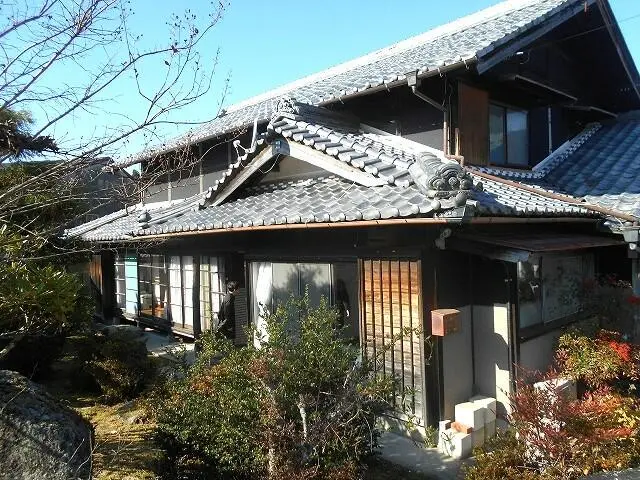
What we add to every listing
Foreign-buyer check
Land ownership, rebuild rights, the 1981 quake code, financing: plain answers.
The full cost
Fees, taxes and a repair reserve, marked as set by law or estimated.
Hazard risk
Flood, tsunami, landslide and quake risk from official maps.
Questions in English
A licensed agent answers; we translate. No Japanese needed.
The best new houses, once a week
New houses and price drops, every Sunday. Free.
One email a week. Unsubscribe any time.
Houses in Japan: prices, types and how to buy
Japan Houses lists 5,000+ houses for sale in Japan, translated into English, in all 47 prefectures. Prices start at $0 and the median asking price is $66,773. Foreigners can buy any of them: no visa or residency is needed, and you own the land as well as the house.
| Houses for sale on Japan Houses | 5,000+ |
|---|---|
| Prefectures covered | 47 of 47 |
| Cheapest house | $0 |
| Median asking price | $66,773 |
| Middle half of prices | $31,161 – $133,545 |
| Share under $50,000 | 38% |
| Built before the 1981 quake code | 51% |
| Typical size | 164 m² of floor space on 483 m² of land |
What is Japan Houses?
Japan Houses (japan-houses.com) is an English-language catalogue of houses for sale in Japan. We collect public listings from Japanese real-estate agencies, translate them, convert the price into your currency and add what a foreign buyer needs to know: the total cost, the official hazard maps and a short buyer check. The site is not an agency and does not sell houses; when you ask about a house, a licensed Japanese agent answers and we translate.
How much does a house in Japan cost?
Across the houses on the site, the median asking price is $66,773 (¥10.5 million), and half of all houses cost between $31,161 and $133,545. About 38% of them cost under $50,000. Prices depend first on location: the median is lowest in Yamaguchi, Wakayama, Mie and Kagawa, and highest in Okinawa, Tokyo and Kanagawa. In the four prefectures around Tokyo the median is $81,399, and $113,196 inside Tokyo itself.
The age of the building matters almost as much. Japanese wooden houses lose most of their book value after 20 to 30 years, so an old house in the countryside is often priced close to the value of its land, sometimes below it. 51% of the houses listed here were built before 1981, and they make up most of the cheapest listings. Full price data by region is on each prefecture page.
What you can buy at each budget
What the houses on the site look like in each price band right now (typical year and size are medians):
- Under $10,000: Mostly old rural houses sold for little more than the land; expect repairs. Typically built in 1966, 128 m² of floor space; most listed in Niigata and Hyogo.
- $10,000 – $30,000: Countryside houses, many lived in until recently; some can be used as they are. Typically built in 1973, 132 m² of floor space; most listed in Nagano and Saitama.
- $30,000 – $50,000: Larger rural houses and small houses in regional towns, often with land. Typically built in 1977, 134 m² of floor space; most listed in Yamanashi and Gunma.
- $50,000 – $100,000: Newer or renovated houses in the countryside, older houses in commuter towns. Typically built in 1982, 150 m² of floor space; most listed in Shizuoka and Gunma.
- $100,000 – $300,000: Family houses from the 1990s onward, renovated old houses, larger plots near cities. Typically built in 1990, 217 m² of floor space; most listed in Oita and Shizuoka.
- Over $300,000: Big recent houses, villas in resort areas, architect-designed houses, central Tokyo. Typically built in 1996, 294 m² of floor space; most listed in Okinawa and Kyoto.
Where to find houses for sale in Japan
Where to look depends on what you want from the house: an easy trip to Tokyo, a ski town, the sea or the lowest possible price. Each region is a different market:
- Near Tokyo (Tokyo, Kanagawa, Saitama and Chiba): commuter towns and the Boso and Miura coasts; the highest prices, the best transport.
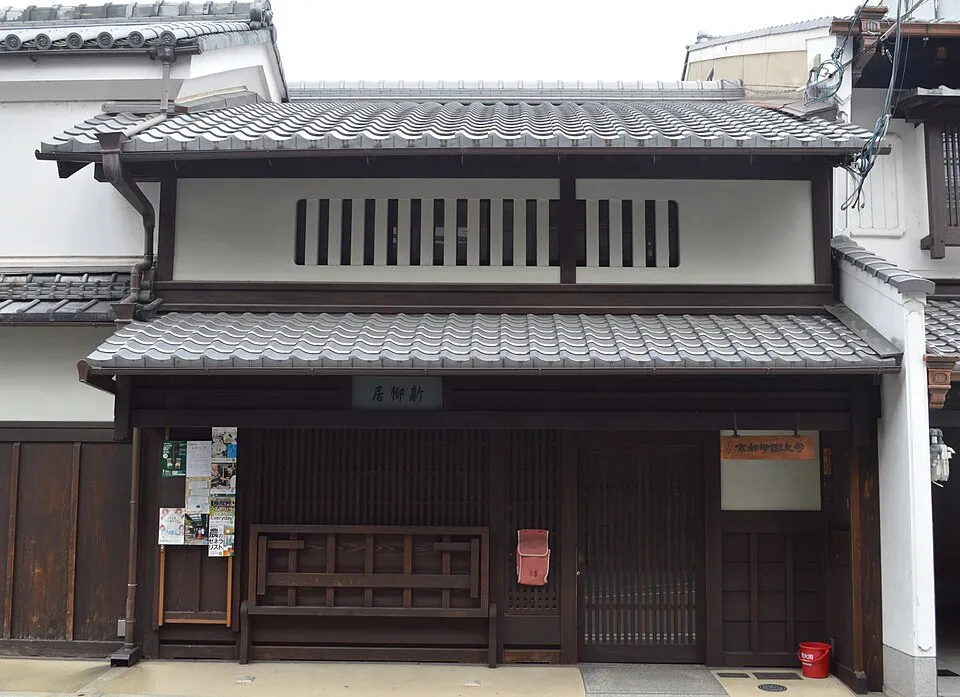
- Kyoto, Osaka and Kansai (Kyoto, Osaka): city town houses (machiya) and old farmhouses within an hour of Kyoto.
- Hokkaido: large plots and low prices outside the ski resorts; long, snowy winters.
- Kyushu (Oita, Kumamoto, Fukuoka…): mild winters, hot-spring towns and fair prices; Fukuoka is the main airport and city.
- Okinawa: subtropical islands, concrete houses built for typhoons and some of the highest prices outside Tokyo.
- The countryside (Shikoku, Chugoku, Tohoku, the Japan Sea coast): the lowest prices in the country, older houses, fewer services.
Types of houses you can buy
- All houses for sale in Japan: every listing, filterable by price, region, size, year and distance to the sea.
- Cheap houses under $50,000: mostly rural, often older; some are ready to live in, others are renovation projects.
- Akiya: houses that are vacant today. Japan counted 9.0 million vacant homes in 2023, 13.8% of all housing.
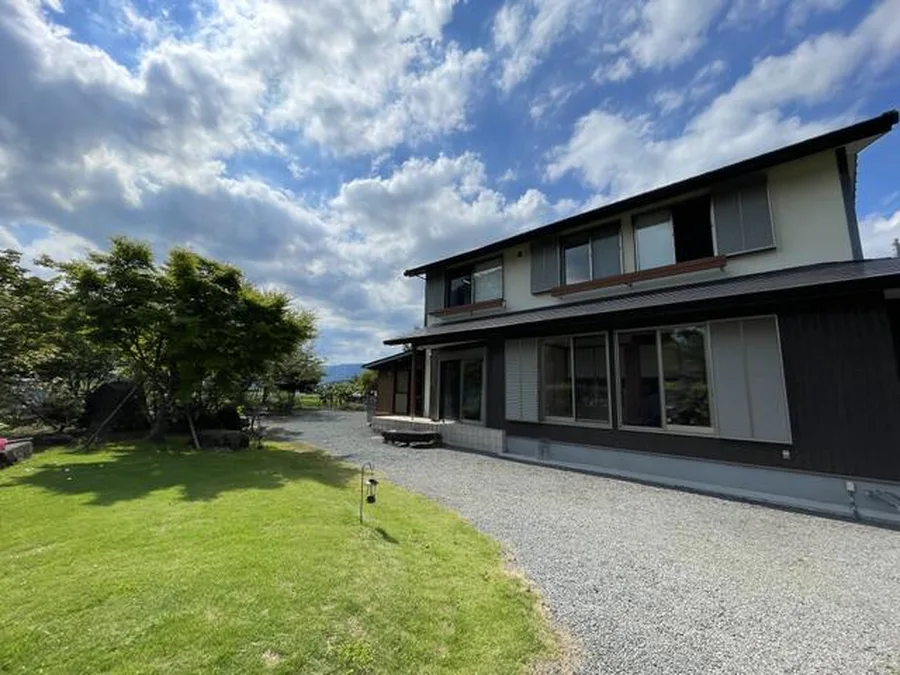
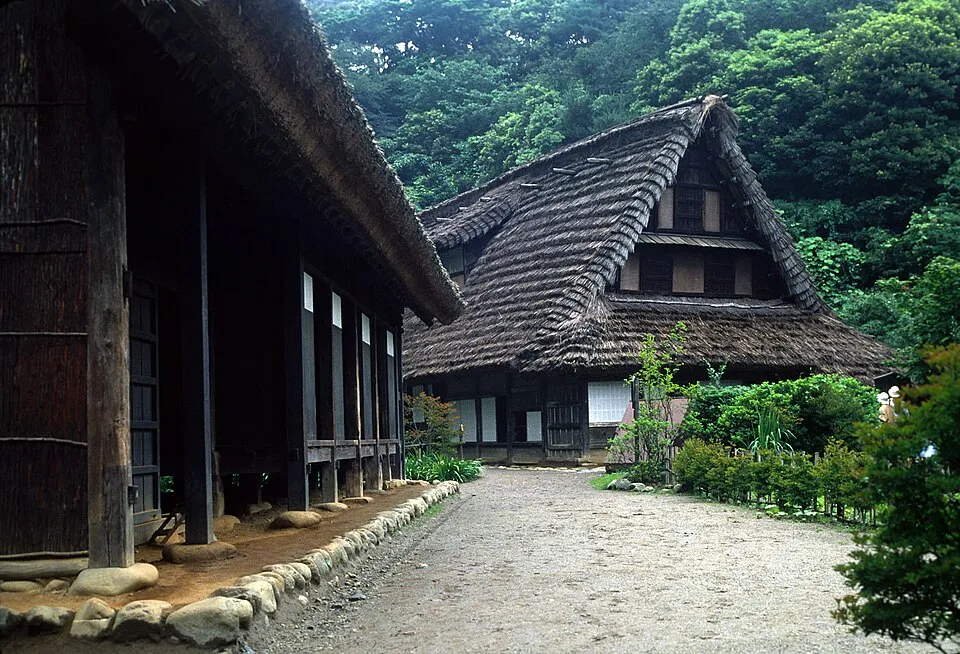
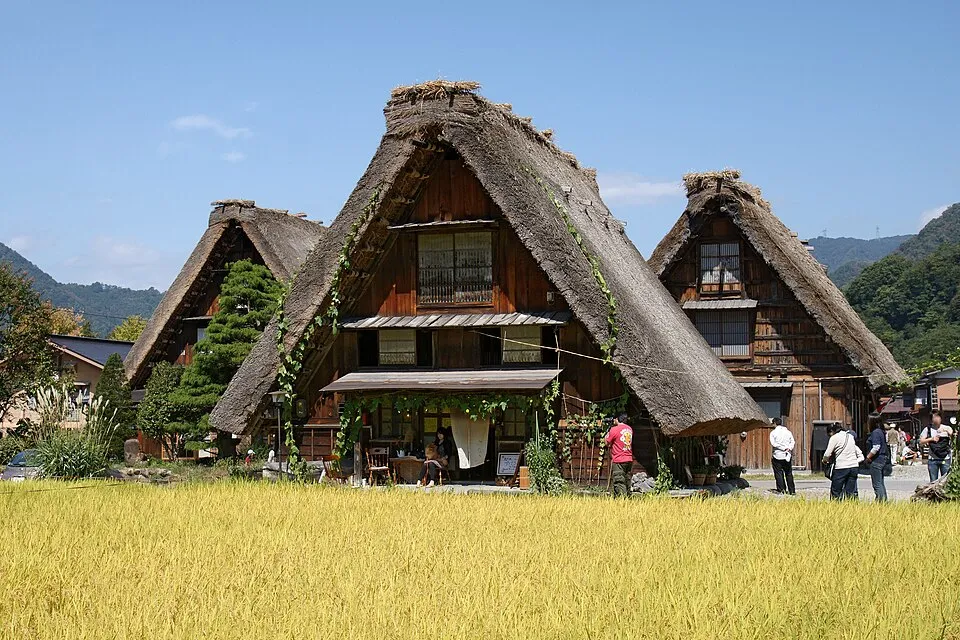
- Traditional Japanese houses: kominka farmhouses, machiya, tatami rooms, engawa verandas and irori hearths.
- Beach houses: houses within 1 km of the sea, with the tsunami map checked when the location is known.
- Modern houses: built in 2000 or later, under Japan's current earthquake rules (11% of the houses on the site).
Japanese house types explained
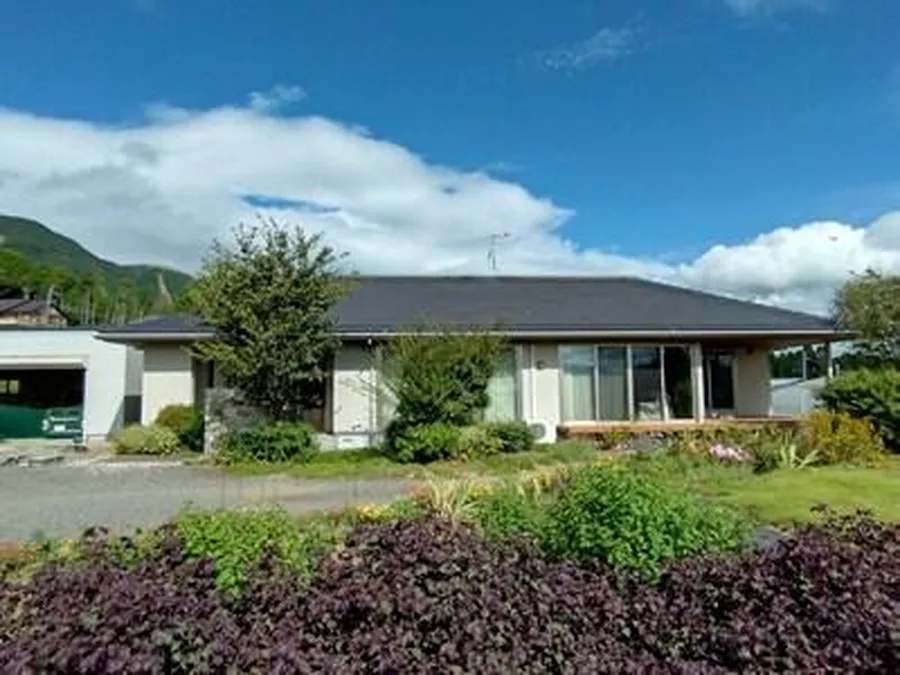
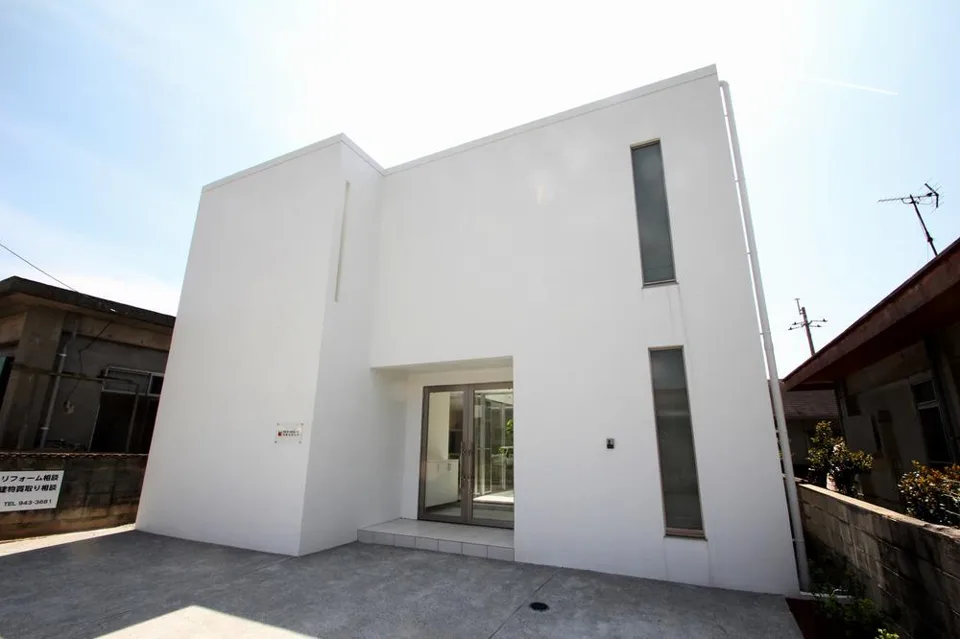
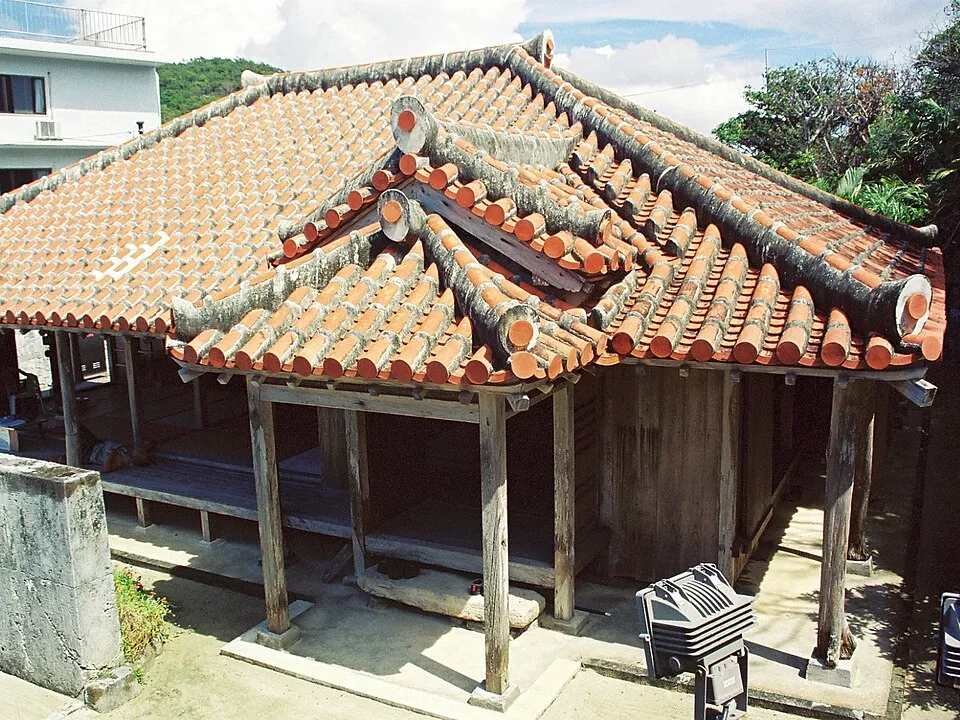
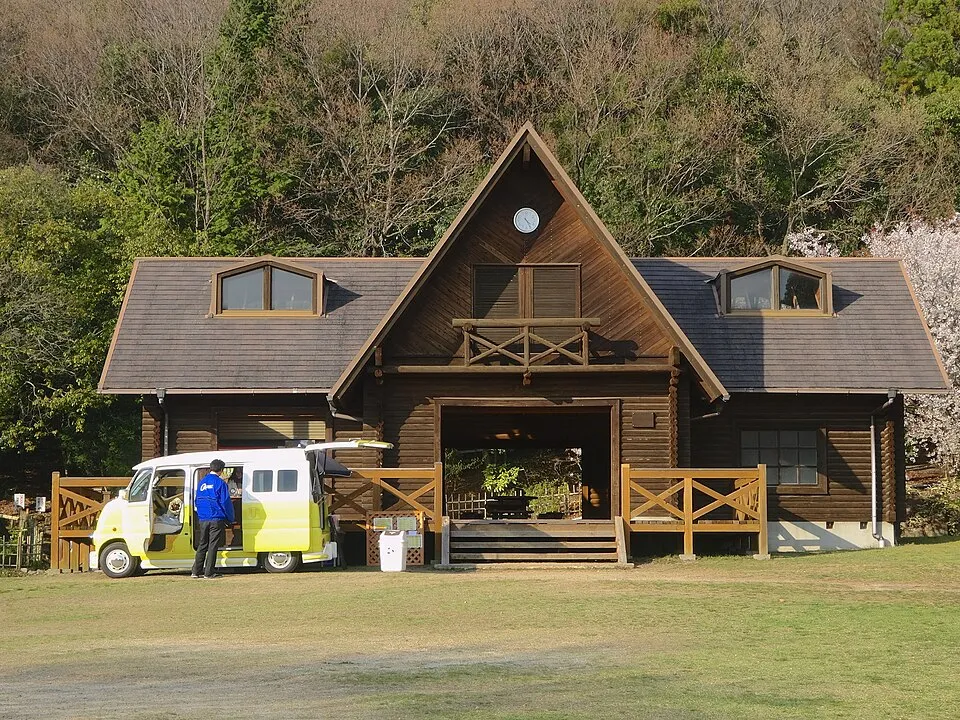
Japan's earthquake building standards
Japan's building code has been tightened after each major earthquake. The year a house was permitted tells you which rules it was built to:
- Before June 1981 (old standard, kyū-taishin): designed for moderate earthquakes only. 51% of the houses on our site. Not unsafe by definition, but usually needs an inspection and often reinforcement; many towns subsidise both.
- June 1981 to 2000 (new standard, shin-taishin): designed not to collapse in a very strong earthquake (shindo 6+ to 7). 38% of our houses. This is the line banks, insurers and tax breaks use.
- From June 2000 (the "2000 standard"): for wooden houses, foundations sized to the ground, metal fixings at the joints and walls placed evenly. 11% of our houses.
- From April 2025: most new two-storey wooden houses must have their structure checked by the authorities, which was not required before.
What to check before you buy
The asking price is only part of the story, especially for old or very cheap houses. Before you fall for a house, check these points with the agent:
- Rebuilding rights: a plot that does not touch a public road of at least 4 m along at least 2 m is often classed as non-rebuildable (saikenchiku fuka). You can repair the house but not replace it, and it will be hard to resell.
- Hazard maps: flood, landslide and tsunami zones are public; we add them to each house page when the location is known.
- Earthquake standard: check the year of the building permit, not only the year of completion (see the standards above).
- Utilities: many rural houses use a septic tank or an old pit toilet, a private well or propane gas; check what works and what must be replaced.
- Farmland: fields sold with a house cannot change hands without the approval of the local agricultural committee, which often requires the buyer to farm them.
- Snow and access: in heavy-snow areas, roofs and roads need clearing all winter, and some mountain houses are cut off by snow.
Foreigners can buy any of these houses with the same full ownership (shoyūken) as a Japanese buyer; the rules for non-residents are in the questions below.
What a house costs on top of the price
Budget roughly 6–10% on top of the asking price for a typical house; on very cheap houses the fixed costs weigh more.
| Cost | How much |
|---|---|
| Agent's fee | Up to 3% + ¥60,000 + 10% tax on houses over ¥4 million; for houses of ¥8 million or less, the agent may charge up to ¥330,000 (rule since July 2024) |
| Registration tax | 1.5% of the assessed value of the land, 2% of the building |
| Acquisition tax | 3% of the assessed value (rate until March 2027), paid once, with reductions for homes |
| Judicial scrivener | About ¥50,000–100,000 to register the transfer |
| Property tax (yearly) | 1.4% of the assessed value, which is usually far below the price; up to 0.3% city planning tax in towns |
Each house page shows its own estimate. Most foreign buyers pay cash, because Japanese banks rarely lend to non-residents.
How to buy a house in Japan
- Choose a house and run the checks above: hazard map, road access, rebuilding rights, utilities.
- Ask the agent for the details and, if you can, visit or book a video viewing.
- Make a written offer; the agent negotiates with the seller.
- Read the important-matters explanation (jūyō jikō setsumei), in translation.
- Sign the contract and pay a deposit, usually around 10%.
- Pay the balance; a judicial scrivener registers the transfer the same day.
- If you live abroad, appoint a tax representative and file the Bank of Japan report.
The whole process usually takes one to three months and can be done from abroad.
How we check every listing
Every house on Japan Houses comes from a Japanese agency listing. We translate the listing with AI and check the figures against the original data, convert prices into your currency, mark houses built before the 1981 earthquake code, add the official flood, tsunami and landslide maps when the location is known, and mark a house as no longer on the market when its listing is withdrawn. Prices are asking prices, not sale prices. Read more on how we check houses and who we are.
Sources: Statistics Bureau of Japan, 2023 Housing and Land Survey · Ministry of Finance, reports on real-estate acquisitions by non-residents · National Tax Agency, registration tax rates (2026) · Ministry of Justice ordinance No. 23 of 2026 (nationality on registration) · MLIT notice on agent fees (revised July 2024) · listing data: Japanese real-estate agencies, 5,000+ listings.
Japan Houses · hello@japan-houses.com
Buying a house in Japan: frequently asked questions
How much does a house cost in Japan?
On Japan Houses the median asking price for a house is $66,773 (¥10.5 million), and half of all houses cost between $31,161 and $133,545. Around Tokyo the median is $81,399. Inside Tokyo the median is $113,196. In the countryside many houses cost under $50,000.
Can foreigners buy property in Japan?
Yes. Japan has no nationality or residency requirement for buying a house or land, and a foreign buyer gets the same full ownership as a Japanese buyer. Since April 2026 non-residents file a short report to the Bank of Japan within 20 days of buying, and since October 2026 every buyer declares their nationality at registration.
How do I buy a house in Japan?
Choose a house, ask the agent for details and a visit or video viewing, make a written offer, read the important-matters explanation, sign and pay a deposit of about 10%, then pay the balance while a judicial scrivener registers the transfer. It usually takes one to three months and can be done from abroad.
Can I move to Japan if I buy a house?
Buying a house does not give you a visa or the right to live in Japan. To move there you need a visa based on work, study, family, business or another status. Americans and many other nationalities can stay up to 90 days at a time as visitors, which is enough to buy a house and use it as a holiday home.
Why are houses in Japan so cheap?
Japanese houses lose most of their book value after 20 to 30 years, buyers prefer new homes, and the population of rural areas is shrinking. Old countryside houses are therefore often priced close to the value of their land, and many need repairs. City houses, especially in Tokyo, are not cheap.
Can you really buy a house in Japan for $5,000?
Yes, but they are rare and usually need work. On our site the cheapest house currently costs $0. Add the buying costs and a repair budget before comparing prices.
Can a foreigner get a mortgage in Japan?
Permanent residents and some long-term residents with a stable job in Japan can borrow from Japanese banks. Non-residents rarely can, and old wooden houses carry little value as collateral, so most foreign buyers pay cash or borrow in their home country.
Is there property tax in Japan?
Yes. Owners pay a yearly fixed asset tax of 1.4% of the assessed value, plus up to 0.3% city planning tax in towns. The assessed value is usually far below the price, so the tax on a cheap countryside house is small, and there is no tax at all when the assessed value is under ¥300,000 for the land or ¥200,000 for the building.
What does it cost to buy a house in Japan on top of the price?
Plan on roughly 6–10% for a typical house: the agent's fee (up to ¥330,000 for houses of ¥8 million or less), registration tax, acquisition tax and a judicial scrivener. Each house page on Japan Houses shows its own estimate.
What is an akiya?
Akiya (空き家) means a vacant house. Japan counted 9.0 million vacant homes in 2023, 13.8% of all housing, mostly because of a shrinking, ageing population. On Japan Houses, houses that are empty today are grouped in the akiya collection.
What are traditional Japanese houses called?
An old farmhouse or country house is a minka; one more than about 50 years old is often called a kominka. A town house in Kyoto or another old city is a machiya, and the steep thatched farmhouses of Shirakawa-go are gassho-zukuri.