Most articles about house prices in Japan quote one national average and a few anecdotes about very cheap houses. This page uses the 5,713 houses for sale on Japan Houses to show what houses actually cost in each prefecture, how much the age of a house changes its price, and what each budget buys. The figures are recalculated every time new houses are added.
Further down you will also find the official figures for the whole Japanese market, which are higher than ours, and an explanation of why.
What a house in Japan costs on our site
Half of the houses on Japan Houses cost less than $66,773 and half cost more. A quarter cost $31,161 or less, and only a quarter cost more than $133,545. The average price is $116,211, well above the median, because a small number of large or central houses cost over a million dollars.
These are not small houses. The median house on our site has 164 m² of floor space on a 483 m² plot. The median price per m² of floor is $419.
The other thing to know is age. The median house on our site is 46 years old, and 64% are more than 40 years old. That is the main reason the prices are low.
Share of the houses for sale on Japan Houses in each price range (asking price converted to US dollars, updated with every new listing). In orange: under $50,000.
House prices in each of the 47 prefectures
The table below gives, for each prefecture, the number of houses on our site, the median asking price, the range of the middle half of prices, the median price per m² of floor, and the share of houses at $50,000 or less and built before 1981. It is sorted from the highest median to the lowest. Click a prefecture to see its houses.
On our site, Okinawa has the highest median ($254,308) and Yamaguchi the lowest ($50,874). Tokyo has a median of $113,196, because most of our Tokyo houses are older houses in the west of the prefecture, around Hachioji, Ome and Machida, not in the city centre. In most rural prefectures, the median is close to the median of the whole site.
Prefectures with fewer houses can move more from one month to the next, so compare the number of houses before reading too much into a small gap.
| Prefecture | Houses | Median price | Middle half of prices | Median per m² of floor | Under $50k | Built before 1981 |
|---|---|---|---|---|---|---|
| Okinawa | 92 | $254,308 | $158,506 – $443,879 | $1,939 | 3% | 50% |
| Tokyo | 122 | $113,196 | $53,736 – $229,253 | $1,044 | 19% | 33% |
| Kanagawa | 112 | $86,804 | $38,029 – $189,507 | $815 | 38% | 45% |
| Aichi | 139 | $82,671 | $29,253 – $164,706 | $575 | 37% | 53% |
| Miyazaki | 83 | $82,671 | $31,797 – $162,099 | $577 | 31% | 39% |
| Oita | 179 | $79,491 | $36,884 – $146,264 | $452 | 32% | 46% |
| Hokkaido | 160 | $78,792 | $43,561 – $158,824 | $551 | 32% | 32% |
| Kumamoto | 166 | $76,312 | $30,048 – $157,711 | $474 | 35% | 46% |
| Nara | 150 | $75,676 | $30,048 – $128,776 | $426 | 35% | 53% |
| Ishikawa | 156 | $75,294 | $37,202 – $150,079 | $456 | 33% | 60% |
| Chiba | 143 | $75,040 | $31,733 – $138,633 | $608 | 38% | 39% |
| Fukuoka | 157 | $75,040 | $29,889 – $124,928 | $503 | 34% | 52% |
| Saitama | 142 | $73,100 | $25,437 – $137,154 | $574 | 37% | 36% |
| Osaka | 128 | $72,178 | $43,243 – $139,873 | $711 | 32% | 40% |
| Fukui | 89 | $68,680 | $31,797 – $128,744 | $328 | 38% | 55% |
| Shizuoka | 170 | $68,680 | $43,243 – $176,789 | $522 | 31% | 43% |
| Saga | 107 | $66,773 | $28,617 – $114,467 | $390 | 39% | 55% |
| Nagasaki | 102 | $66,455 | $37,838 – $128,776 | $424 | 31% | 55% |
| Tochigi | 100 | $66,010 | $22,258 – $131,955 | $380 | 39% | 47% |
| Miyagi | 100 | $65,183 | $28,935 – $131,479 | $355 | 40% | 50% |
| Nagano | 192 | $65,151 | $25,437 – $154,960 | $422 | 40% | 62% |
| Akita | 101 | $63,593 | $26,010 – $125,914 | $360 | 41% | 40% |
| Gunma | 173 | $63,593 | $33,068 – $127,186 | $408 | 37% | 50% |
| Yamanashi | 169 | $63,466 | $31,733 – $123,052 | $374 | 42% | 64% |
| Hiroshima | 154 | $62,957 | $24,642 – $119,666 | $435 | 41% | 53% |
| Iwate | 93 | $62,957 | $29,571 – $123,339 | $377 | 37% | 49% |
| Aomori | 93 | $62,321 | $29,889 – $110,620 | $302 | 39% | 46% |
| Hyogo | 167 | $62,321 | $30,525 – $125,914 | $345 | 40% | 58% |
| Kagoshima | 86 | $62,321 | $24,165 – $114,467 | $345 | 43% | 48% |
| Kyoto | 157 | $62,321 | $24,102 – $158,347 | $578 | 38% | 47% |
| Shiga | 98 | $62,321 | $28,617 – $115,739 | $283 | 39% | 66% |
| Tokushima | 98 | $62,321 | $27,345 – $111,288 | $388 | 40% | 44% |
| Tottori | 85 | $62,321 | $34,976 – $112,242 | $420 | 36% | 46% |
| Ehime | 93 | $60,413 | $31,797 – $127,790 | $332 | 40% | 47% |
| Gifu | 113 | $60,413 | $28,235 – $124,006 | $297 | 41% | 54% |
| Niigata | 167 | $60,350 | $24,165 – $120,827 | $265 | 46% | 58% |
| Fukushima | 109 | $59,141 | $29,571 – $102,703 | $328 | 46% | 48% |
| Kochi | 83 | $57,234 | $36,884 – $117,647 | $418 | 42% | 52% |
| Okayama | 107 | $57,234 | $24,165 – $114,467 | $320 | 46% | 55% |
| Toyama | 101 | $57,234 | $25,374 – $97,933 | $194 | 46% | 67% |
| Yamagata | 110 | $57,234 | $24,165 – $101,574 | $298 | 44% | 50% |
| Ibaraki | 85 | $57,107 | $25,119 – $104,610 | $332 | 44% | 46% |
| Shimane | 100 | $56,598 | $27,186 – $98,506 | $321 | 48% | 64% |
| Kagawa | 108 | $55,962 | $30,207 – $119,237 | $301 | 44% | 57% |
| Mie | 99 | $53,990 | $22,258 – $119,555 | $284 | 47% | 58% |
| Wakayama | 78 | $53,100 | $31,479 – $113,514 | $320 | 49% | 56% |
| Yamaguchi | 97 | $50,874 | $27,663 – $101,622 | $330 | 47% | 59% |
Download this table (CSV, prices in yen and US dollars) →
Prices by region
Grouped by region, the differences are smaller than most people expect. Rural houses in Tohoku, Chugoku and Shikoku cost about the same as the old houses around Kyoto and Osaka. Kanto, Hokkaido and Kyushu come out higher, Kyushu partly because of Okinawa, where houses cost far more than in the rest of the region.
Median asking price of the 5,713 houses for sale on Japan Houses, by region. Updated with every new listing.
How the age of a house changes its price
Age matters more than anything else in a Japanese house price. On our site, a house built in 1981 or later has a median price of $104,865, about 2.7 times the median of $38,156 for a house built before. Houses built from 2000 onwards have a median of $202,226.
The year 1981 is not chosen at random. Buildings that got their permit from 1 June 1981 follow Japan's newer earthquake standard. Older houses often need a structural check and reinforcement, which buyers and banks take into account.
Japanese houses are also replaced much sooner than American ones. The Ministry of Land, Infrastructure, Transport and Tourism estimates that houses in Japan are demolished at an average age of about 32 years, against about 67 years in the United States. A buyer who plans to repair an old house can therefore pay very little for the building itself, but should budget for the work.
Median asking price of the houses for sale on Japan Houses, grouped by year of construction (5,671 houses with a known year). In orange: built before the 1981 earthquake standard.
What $10,000, $30,000 or $50,000 buys
Right now, 280 houses on our site cost $10,000 or less, 1,323 cost $30,000 or less and 2,167 cost $50,000 or less. Most of them were built before 1981 and most stand empty, often after the owner moved away or died: these are the akiya, Japan's empty houses. Some are ready to live in; many need a new kitchen, bathroom or roof work.
Houses for $10,000 or less
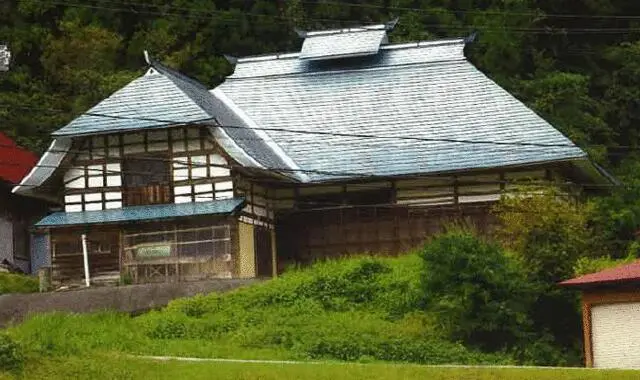
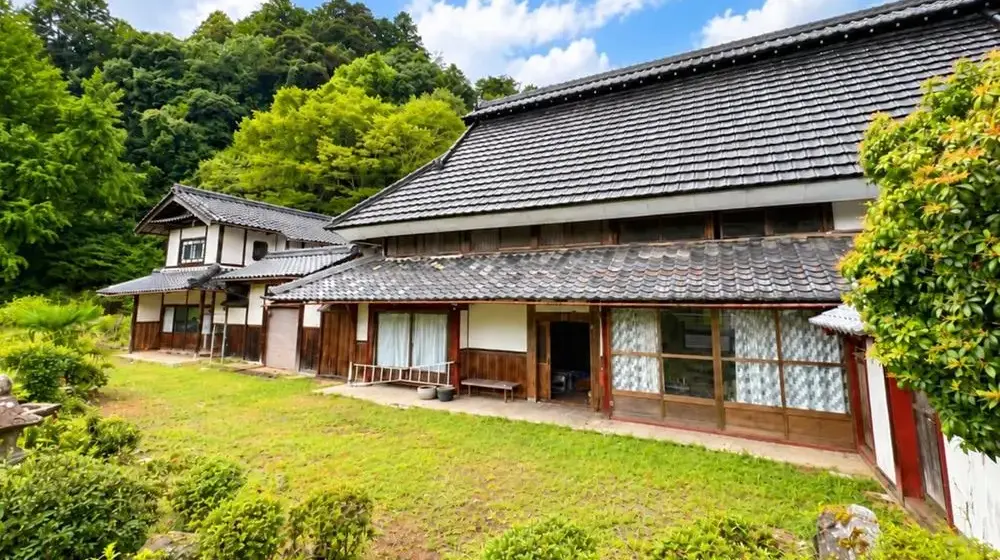
Vacant 6DK house on a 645 m² lot in Nishiaizu, Fukushima

10DK south-facing house with three parking spaces in Maesawa, Oshu, Iwate
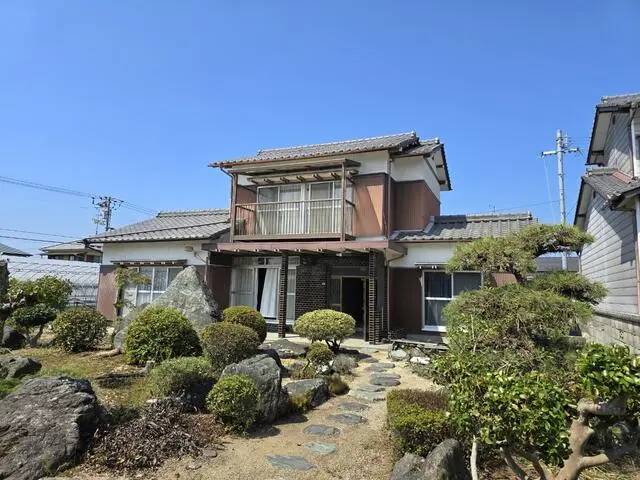
5DK house with traditional garden and sunken kotatsu in Niihama, Ehime
Houses between $25,000 and $50,000

Six-room house with earthen storehouse and field, Takahashi

Century-old kominka with large barn and rice paddy in Mitoyo, Kagawa
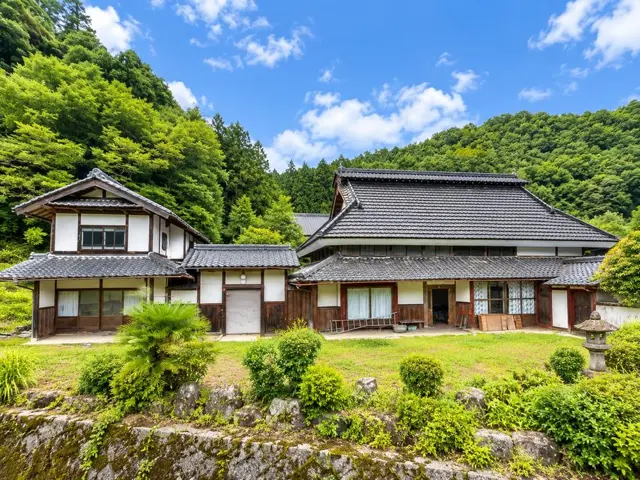
Century-old 8LDK house on 713 m² of freehold land in Kyoto
Houses from $100,000, built in 1981 or later
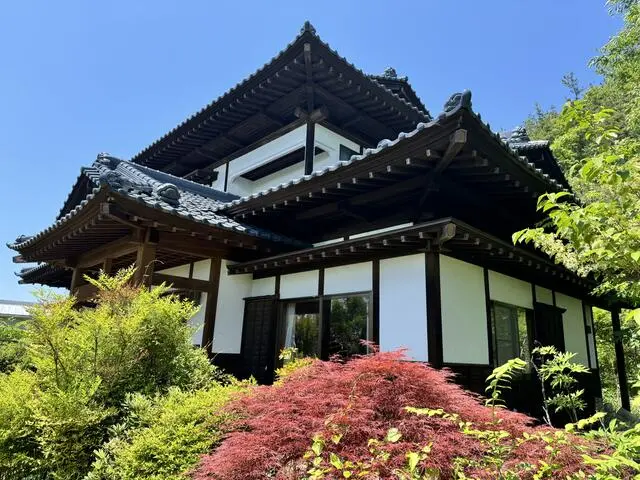
Vacant 7DK house on 638 m2 of land in Watari, Fukushima City

Large 11-room house with garden and 3-car parking in Kesennuma, Miyagi

Single-storey 7SLDK house with garden on 1,189 m² in Sagae, Yamagata
 Tailor-made house search · freeLooking for a house in Japan? We find it for you.Answer 7 quick questions. We search 300,000+ houses for sale in Japan and keep only the ones that fit you.Start my free search →
Official figures for the whole Japanese market
Our houses are cheaper than the national averages because of what we list: mostly used detached houses chosen for foreign buyers, many of them old and rural. Two official sources give a wider view of used houses in Japan.
| Source | What it measures | Price |
|---|---|---|
| Flat 35 survey, all Japan | Average price paid for a used detached house with a Flat 35 mortgage | ¥27.8 million ($176,948) |
| Flat 35 survey, Greater Tokyo | Same, in Tokyo and the prefectures around it | ¥34.6 million ($220,038) |
| Flat 35 survey, Kinki | Same, in the Osaka, Kyoto and Kobe area | ¥27.3 million ($173,342) |
| Flat 35 survey, Tokai | Same, in the Nagoya area | ¥25.1 million ($159,727) |
| Flat 35 survey, rest of Japan | Same, all other prefectures | ¥23.0 million ($145,971) |
| REINS, Greater Tokyo | Average sale price of used detached houses in the latest month | ¥41.2 million ($261,749) |
The Flat 35 houses are mostly family homes in towns and suburbs, about 23 years old on average, bought by people who live and work in Japan. The REINS figure covers houses sold through agents around Tokyo, about 26 years old on average. Both are prices actually paid, while our figures are asking prices.
Are house prices in Japan going up or down?
On average, they are going up. Japan's official price index for detached houses, published by the Ministry of Land, Infrastructure, Transport and Tourism, rose about 3% over its latest twelve months and about 17% over five years, after more than a decade with little change. Flats rose much faster: the index for condominiums is more than twice its 2010 level. Around Tokyo, used detached houses sold for 5.4% more than a year earlier.
That national rise hides two things. First, each house loses value as it ages, so the same house is usually worth less every year even when the market goes up. Second, the rise is strongest around the big cities. Over the same five years, the index for detached houses rose about 21% in Greater Tokyo but only 1% to 2% in the Chugoku and Shikoku regions. In prefectures such as Tokushima or Wakayama, more than one home in five is empty, and that weighs on the price of old houses.
Mortgages: what buyers in Japan borrow
People who bought a used detached house with a Flat 35 mortgage borrowed ¥24.0 million on average ($152,750) and planned to repay ¥90,600 a month ($576). That is the typical Japanese buyer: a family living in Japan with a steady income.
For a foreigner, the options are narrower. Flat 35 requires permanent residence, and the few banks that lend to foreigners without it ask them to live in Japan. If you live abroad, plan to pay cash, which the low prices outside the cities make possible. A non-resident buyer must also report the purchase to the Ministry of Finance within 20 days. Our guides on whether foreigners can buy property in Japan and how to buy a house in Japan cover the rules and the steps. For your own situation, ask a bank in Japan, a licensed agent or a judicial scrivener (shihō shoshi).
How we calculate these figures
- Which houses. Every house for sale on Japan Houses on the day the page was built: used detached houses (and a few free houses) collected from the main Japanese property portals and translated. Houses that have left the market are taken out.
- Asking prices. These are the prices the sellers ask, not the prices finally paid, which are usually lower. Around Tokyo, for example, houses on the market were listed at ¥48.0 million on average while houses sold for ¥41.2 million.
- Median and middle half. The median is the price in the middle of the list. The "middle half" runs from the first quarter (25% of houses are cheaper) to the third quarter (25% are more expensive).
- Price per m². Asking price divided by the floor area of the building given in the listing. The land is included in the price but not in the area.
- Dollars. Prices are set in yen. We convert them at the European Central Bank exchange rate of the day, so dollar figures move with the yen even when the yen price does not change.
- Not a market index. Our houses lean towards old, rural and cheaper houses, because those are the houses we choose to list for foreign buyers. Use the official figures above for the whole market.
The CSV file under the prefecture table contains the same figures in yen and US dollars. You may reuse it with a link to this page.
Frequently asked questions
What is the average price of a house in Japan?
It depends on which houses you count. Buyers who financed a used detached house with Japan's Flat 35 mortgage paid ¥27.8 million on average in the last survey, about $176,948. On Japan Houses, where most houses are older and outside the big cities, the median asking price is $66,773 and the average is $116,211. The average is higher than the median because a few expensive houses pull it up.
What is the average price of a house in Kyoto?
On Japan Houses, the median asking price in Kyoto prefecture is $62,321, across 157 houses. Many of them are in the north of the prefecture, around Maizuru, Fukuchiyama, Ayabe or Kyotango, where houses cost much less than in Kyoto city. See houses for sale in Kyoto.
Are house prices falling in Japan?
Not on average. Japan's official price index for detached houses rose about 3% over its latest twelve months, and used houses around Tokyo sold for 5.4% more than a year earlier. What falls is the value of each house as it ages: on our site, houses built before 1981 have a median price of $38,156, against $104,865 for newer ones. Old houses in rural towns that are losing people can be very cheap.
What is the average lifespan of a Japanese house?
Houses in Japan are demolished at an average age of about 32 years, according to an estimate by the Ministry of Land, Infrastructure, Transport and Tourism, against about 67 years in the United States and 81 years in England. A well-built and maintained house can last much longer: 64% of the houses on our site are over 40 years old.
How much is an average house in Japan in US dollars?
The median asking price on Japan Houses is $66,773, converted at today's exchange rate. For used detached houses bought with a Flat 35 mortgage, the national average of ¥27.8 million is about $176,948. Around Tokyo, used houses sold for an average of ¥41.2 million, about $261,749.
How much is the average mortgage in Japan?
Buyers of a used detached house with a Flat 35 loan borrowed ¥24.0 million on average (about $152,750) and planned to repay ¥90,600 a month (about $576). Flat 35 is only open to foreigners with permanent residence, and buyers who live abroad usually pay cash. Ask a bank or a mortgage adviser in Japan about your own case.
How much would I pay each month on a $500,000 loan over 30 years?
With a standard repayment loan of 360 monthly payments, about $1,848 a month at 2% interest and about $2,998 a month at 6%. Taxes, insurance and fees come on top. Note that very few houses in Japan need a loan that size: 65% of the houses on our site cost $100,000 or less.
Sources (9)Official Japanese sources and our own listing data. Show the list
- Japan Houses: all houses for sale, the data behind this page
- MLIT: Real Estate Price Index (residential), latest data
- MLIT: Real Estate Price Index, latest release (PDF)
- REINS East Japan: Monthly Market Watch, used houses in Greater Tokyo (PDF)
- Japan Housing Finance Agency: Flat 35 user survey (PDF)
- MLIT: average age of demolished houses, international comparison (PDF, p. 51)
- MLIT: earthquake resistance of houses built under the old standard
- Japan Housing Finance Agency: Flat 35 conditions
- Ministry of Finance: reporting real estate bought by non-residents
 Written by the Japan Houses team from official Japanese sources (listed above) and our own data on the houses we list. We are not lawyers or tax advisers: for your own purchase, check with a licensed agent, a judicial scrivener (shihō shoshi) and, for taxes, a tax accountant. Published 27 October 2026, updated 27 October 2026.