Many people assume Japan, like much of Asia, keeps its land for its own citizens. It does not. Japanese law gives foreigners the same property rights as Japanese nationals, and nothing in the buying process asks for a passport stamp or a residence card. What has changed is the paperwork around the purchase: 2026 brought new reporting duties that most English-language guides still get wrong.
This guide explains what the law says, what changed, what you will pay, and how people actually buy a house in Japan while living in the US, Europe or Australia. We list 5,700+ houses for sale across Japan, with a median asking price of $66,773, so the examples come from real listings.
The short answer
- Who can buy: anyone. No visa, residency, permanent residency or Japanese company is needed.
- What you own: the house and the land, forever, with the same rights as a Japanese owner.
- What you do not get: a visa. Owning property gives no right to stay in Japan.
- New in 2026: buyers living abroad report the purchase within 20 days (since April 1), and every new owner declares their nationality at registration (since October 5).
- How people pay: mostly cash. Japanese banks rarely lend to buyers who live abroad.
- Taxes: the same as for Japanese buyers. There is no foreigner surcharge.
Is it legal for foreigners to buy property in Japan?
Yes. Article 3 of the Civil Code says that foreigners enjoy private rights, including owning land and buildings, unless a specific law or treaty forbids it. No law forbids it for ordinary houses and land.
You may read online about the Alien Land Law of 1925, which allows the government to restrict land purchases by foreigners. It is still on the books, but it only works through a cabinet order, and the government confirmed to the Diet in 2013 that no such order exists. In practice it restricts nothing.
So when you buy a house in Japan, you normally get freehold ownership (shoyūken) of both the building and the land under it. You can keep it as long as you like, rent it out, sell it, or leave it to your children. The one thing to watch is the minority of listings sold as leasehold (shakuchi-ken), where you own the house but rent the land. They are rare (only 0.1% of the houses we list), and our foreign-buyer check flags each of them in red.
Do you need a visa or residency to buy a house in Japan?
No. You can buy as a tourist, or without ever setting foot in Japan. Citizens of the US, the UK, Canada, Australia, most EU countries and many others can visit Japan without a visa for short stays (up to 90 days for US citizens), which is enough to view houses and meet an agent.
The reverse is the trap: owning a house does not give you a visa. Japan has no residence status based on property and no investor visa tied to real estate. To live in your house for more than a tourist stay, you need a separate status, such as a work visa, a spouse visa or the Business Manager visa.
Since October 16, 2025, the Business Manager visa has been much harder to get: it now requires ¥30 million in capital (up from ¥5 million), at least one full-time employee, business-level Japanese (from you or an employee), management experience or a related degree, and a business plan checked by a certified professional. Buying a house to run as a guesthouse does not qualify you on its own.
What changed for foreign buyers in 2025 and 2026
Japan has not restricted who can buy, but it has tightened who must report what. These are the rules that matter for a typical house purchase, with the dates that most other guides get wrong.
| Rule | Since | Who it applies to | What you must do |
|---|---|---|---|
| Purchase report to the Ministry of Finance | April 1, 2026 (homes no longer exempt) | Buyers living abroad (non-residents) | Report the purchase within 20 days, through the Bank of Japan |
| Nationality at registration | October 5, 2026 | Every individual buyer, Japanese or foreign | Declare your nationality with proof (passport copy) when the title is registered |
| Contact person in Japan | April 1, 2024 | Owners living abroad | Name a contact in Japan, such as your judicial scrivener or agent |
| Address change registration | April 1, 2026 | All owners | Register a new name or address within 2 years (fine up to ¥50,000) |
| Inheritance registration | April 1, 2024 | Heirs | Register an inherited property within 3 years (fine up to ¥100,000) |
| Land near defense sites | 2022 | Every buyer | In special zones, notify the government before signing for 200 m² or more |
The 20-day report. Under the Foreign Exchange Act, a non-resident who acquires Japanese real estate must file a short report with the Minister of Finance, through the Bank of Japan, within 20 days. Until March 2026, buying a home for your own use was exempt. Since April 1, 2026, it is not: every purchase by a buyer living abroad must be reported, whatever the price. It is a report, not an approval, and an agent or judicial scrivener in Japan can file it online for you. Not filing, or filing a false report, can be punished by up to 6 months in prison or a fine of up to ¥500,000.
Who counts as a non-resident? For this rule, a foreigner is a resident if they work at an office in Japan or have been in Japan for 6 months or more. A foreigner living and working in Tokyo does not file; an American buying from Ohio does.
Your nationality on the register. Since October 5, 2026, every individual who registers as a new owner, Japanese citizens included, must declare their nationality. It is kept as internal data by the Legal Affairs Bureau and is not shown on the public register. It feeds a government database that tracks who owns land in Japan.
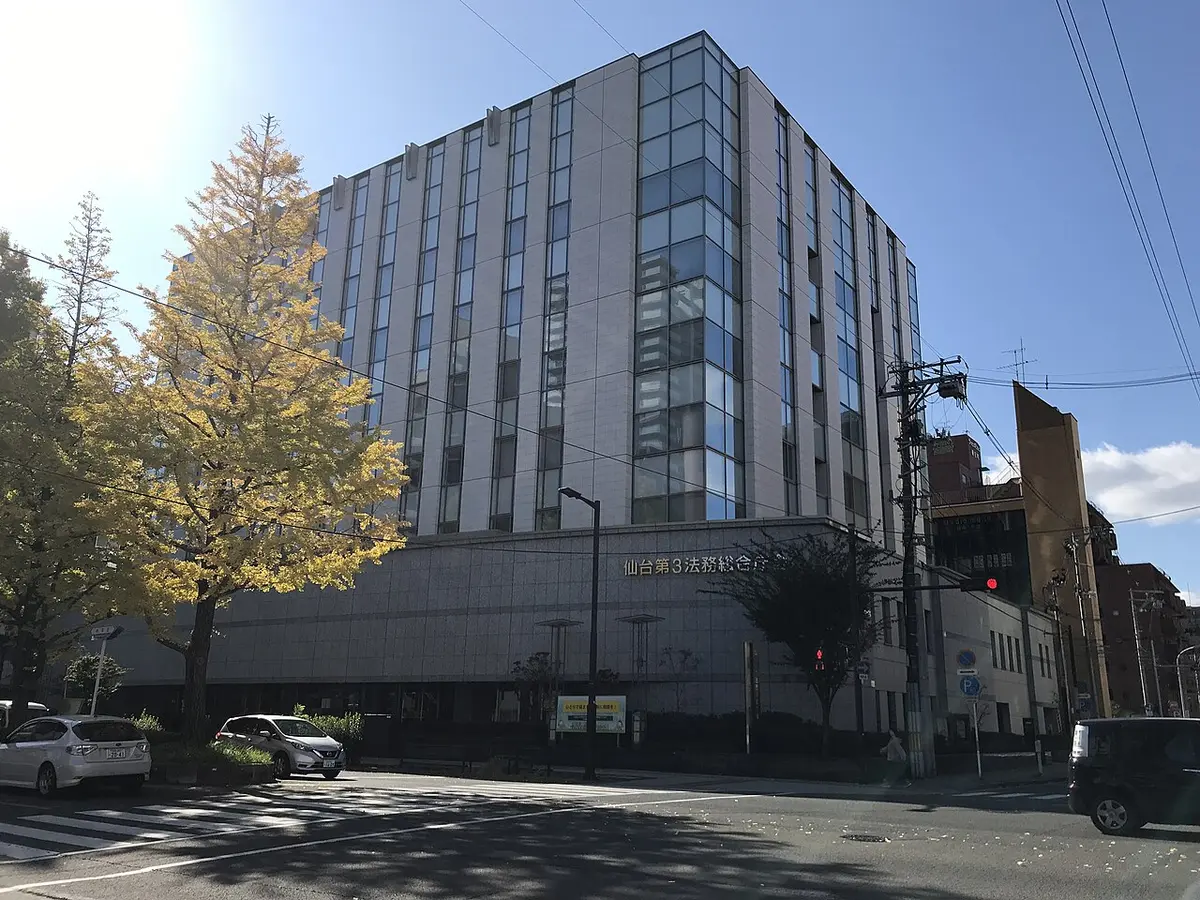
Land near defense sites. The Important Land Use Regulation Act lets the government monitor land within about 1 km of defense facilities, Coast Guard facilities, nuclear plants and some airports, and on border islands. By December 2025, 585 zones had been designated. In the 150 "special" zones, both buyer and seller must notify the Cabinet Office before signing for land or buildings of 200 m² or more. The rule applies to Japanese buyers too, and in the 2024 fiscal year only 3.1% of purchases in these zones were by foreign buyers. You can check any address on the Cabinet Office's map before you make an offer.
What is still being debated. In January 2026, the government adopted a broad policy on foreign residents that includes tracking property ownership by nationality. In October 2026, a government panel proposed a permit system for land within about 1 km of sensitive defense sites and on uninhabited border islands, for all buyers, with purchases linked to foreign governments refused in principle. As of the last update of this page, it is a draft bill, not law, and it does not touch ordinary houses elsewhere. We will update this guide when it passes.
Where foreigners face the same limits as everyone
A few rules can stop or slow a purchase, but they apply to Japanese buyers in exactly the same way:
- Farmland. Rice fields and vegetable plots (ta and hata on the land register) cannot change hands without permission from the local agricultural committee, whoever the buyer is. Many rural houses come with a separate field parcel: ask the agent whether it is included and whether permission is needed.
- Very large plots. Buying 10,000 m² or more outside city planning areas (smaller thresholds inside them) must be notified to the town within 2 weeks of the contract.
- Monitored zones. See above: a prior notice in special zones, nothing in ordinary ones.
None of this affects the typical house and garden that foreign buyers look at.
Can foreigners get a mortgage in Japan?
Rarely, if you live abroad. Japan's government-backed fixed-rate loan, Flat 35, requires foreign borrowers to hold permanent residency. SMBC Trust Bank's PRESTIA, often cited as foreigner-friendly, lends to foreigners without permanent residency, but only to people living in Japan with an annual income above ¥10 million. We found no official offer from a Japanese bank for buyers living overseas.
So most foreign buyers pay cash, or borrow at home, for example against a property they already own. The good news is that Japan is one of the few rich countries where cash buying is realistic: 2,167 of the houses we list cost under $50,000, and 40% cost ¥8 million or less.
Share of the houses for sale on Japan Houses in each price range (asking price converted to US dollars, updated with every new listing). In orange: under $50,000.
Houses under $50,000 built after the 1981 earthquake code
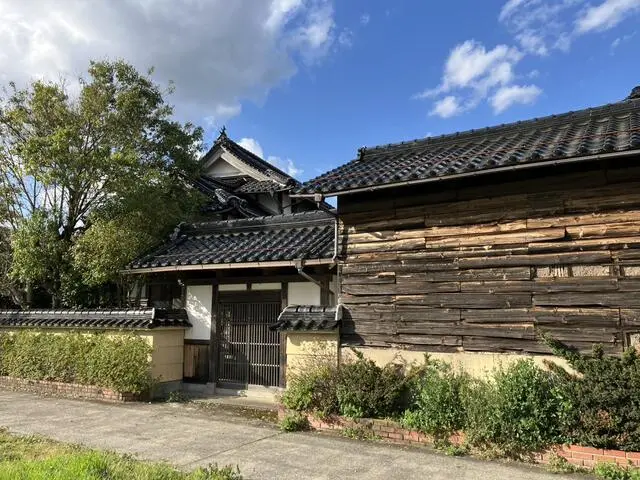
1986 eight-room house with free parking near Kokuei Station, Tottori
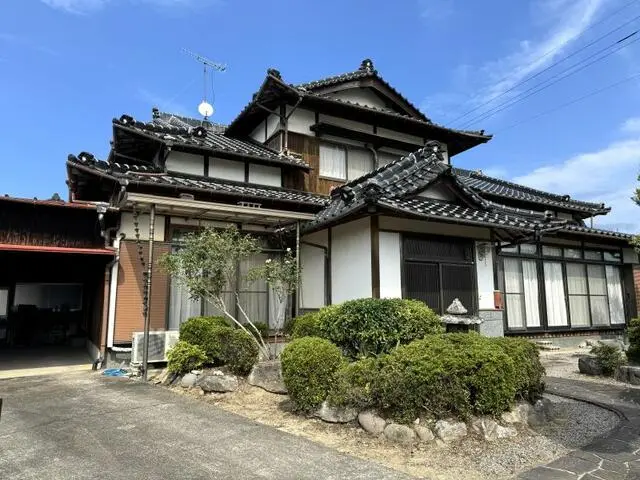
5LDK Japanese-style house with garden and storehouse in Usa, Oita

Single-storey 5LDK on 1,000 m² in Jinseki Kogen, Hiroshima
 Tailor-made house search · freeLooking for a house in Japan? We find it for you.Answer 7 quick questions. We search 300,000+ houses for sale in Japan and keep only the ones that fit you.Start my free search →
What does it cost on top of the price?
Purchase costs in Japan are mostly taxes and fees calculated on the assessed value set by the town (shown on the property's tax certificate), not on the price you pay. For old rural houses, this assessed value is often low, so taxes can be small. The agent's fee, on the other hand, is calculated on the price.
| Cost | How much | When |
|---|---|---|
| Agent's fee | Up to 3% of the price + ¥60,000 + 10% tax. For houses at ¥8 million or less: up to ¥330,000 including tax | At the sale |
| Registration tax (land) | 1.5% of the assessed value (until March 2029) | At registration |
| Registration tax (building) | 2% of the assessed value (0.3% only for qualifying homes you live in) | At registration |
| Stamp duty on the contract | ¥5,000 for ¥5-10 million, ¥10,000 for ¥10-50 million (reduced rates until March 2027) | At signing |
| Real estate acquisition tax | 3% of the assessed value, with the land value halved (until March 2027) | Bill a few months later |
| Judicial scrivener | Set by each office: ask for a written quote | At registration |
| Fixed asset tax, every year | 1.4% of the assessed value + up to 0.3% city planning tax | Each year, to whoever owns the house on January 1 |
Two things surprise foreign buyers. First, the ¥8 million rule: since July 2024, on a cheap house the agent may charge up to ¥330,000 including tax, if they explain it and you agree in advance. On a ¥1 million house, that fee is a third of the price. Second, the reduced 0.3% building registration rate needs a certificate that you live in the house, so a holiday home bought from abroad normally pays 2%.
Every house on Japan Houses shows an estimate of these costs, calculated from the listing, in its "What it really costs" section.
Can you buy a house in Japan from abroad?
Yes. Japanese law gives buyers living abroad a way to do every step without a Japanese address or a Japanese seal, and many foreigners only visit the house once, or not at all. This is how it usually goes:
- Find the house and ask your questions
Most listings and agents work only in Japanese. Ask for the floor plan, the year of construction, the road access and the hazard maps, and ask how long the house has been empty.
- Make an offer and read the important matters
Before you sign, a licensed agent must explain the "important matters" (jūyō jikō setsumei) in writing: rights, restrictions, road access, the state of the building. This can be done by video call. Ask for an English translation.
- Sign the contract by mail or through a power of attorney
You can sign the sale contract by mail, or give a power of attorney to someone in Japan. Stamp duty is paid on the contract.
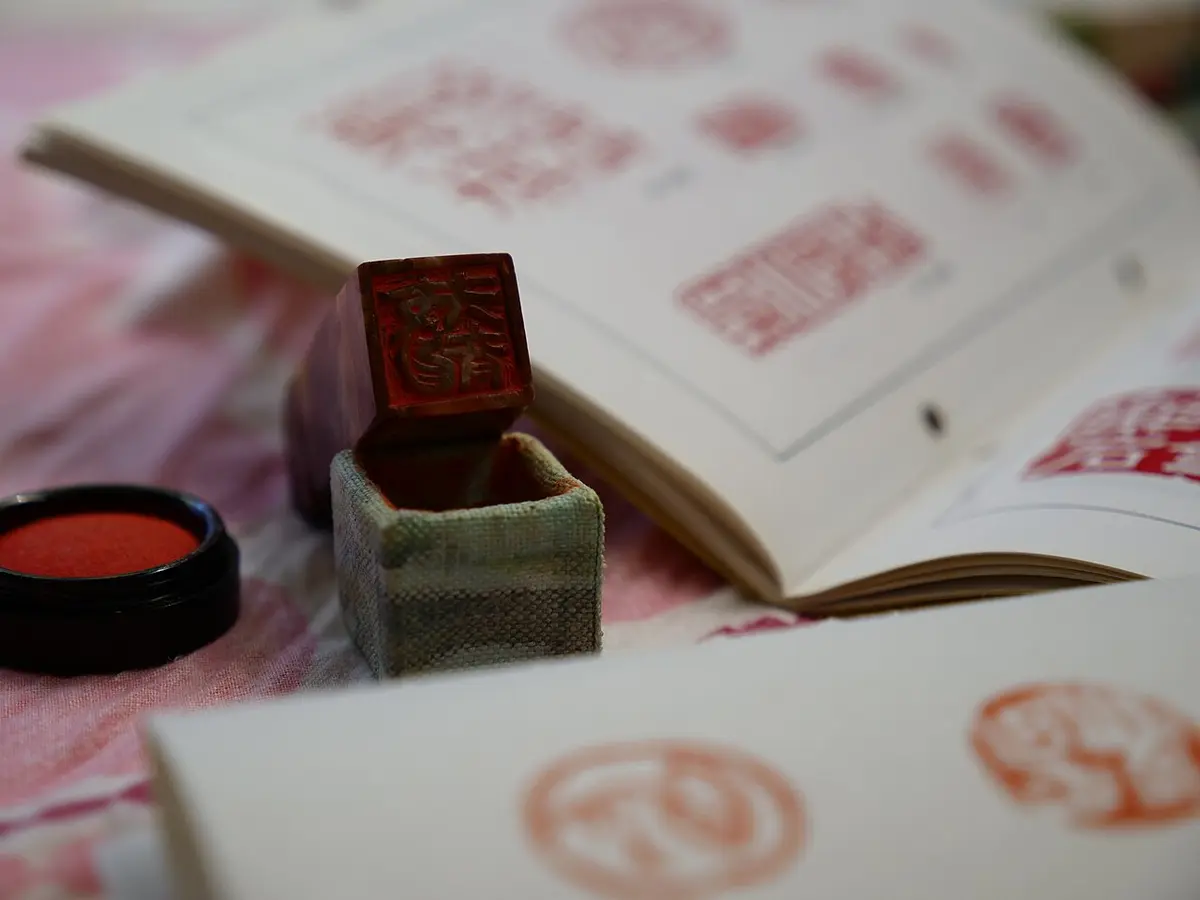
- Prove who you are without a Japanese seal
Japanese buyers use a registered seal (jitsuin) and a seal certificate. Living abroad, you instead provide a sworn statement of your name and address, signed in front of a notary in your country, with a copy of your passport and a Japanese translation.
- Pay and register the title
On closing day you pay the balance and a judicial scrivener (shihō shoshi) files the transfer at the Legal Affairs Bureau. You give a contact person in Japan and, since October 2026, your nationality.
- File the report and set up a tax representative
Within 20 days, file the Ministry of Finance report (your scrivener can do it). Then name a tax representative (nōzei kanrinin) in Japan who receives the fixed asset tax bill each year and pays it for you.
What to check before you make an offer
Five questions to ask the agent
- Can it be rebuilt? Some houses stand on plots with no proper road access and can never be rebuilt if they burn or fall down. Ask for the road frontage and the zoning.
- How old is it? 51% of the houses we list with a known build year were built before 1981, the year Japan's stricter earthquake standard came in. Budget for an inspection and maybe reinforcement.
- Is the land farmland? A field sold with the house may need permission, or be left out of the sale.
- Who will look after it? An empty house in a humid climate needs airing, gutter cleaning and someone to call if a pipe bursts. Plan this before you buy.
- How will you sell it? If you sell while living abroad, the buyer usually withholds 10.21% of the price for the tax office. And your heirs will have 3 years to register the house when they inherit it.
Most of these have a simple answer once you ask. They also explain why some houses in Japan cost the price of a car, so it pays to ask before you fall in love with the photos.
Traditional houses for sale right now

Six-room house with earthen storehouse and field, Takahashi

Century-old kominka with large barn and rice paddy in Mitoyo, Kagawa
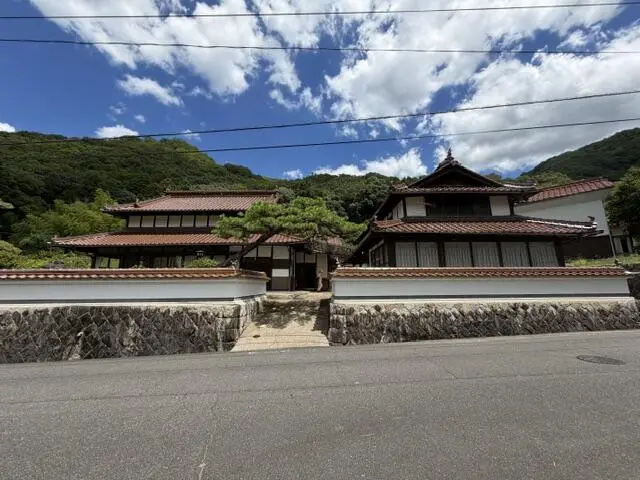
7DK 1932 kominka with rice fields and barn in Higashihiroshima
Frequently asked questions
Can Americans buy property in Japan?
Yes, on exactly the same terms as Japanese citizens. A US citizen can buy a house and its land without a visa or a Japanese address, and can visit Japan without a visa for up to 90 days at a time as a tourist. If you live in the US when you buy, you count as a non-resident: since April 1, 2026 you must report the purchase to the Ministry of Finance within 20 days. Your agent or judicial scrivener can file it for you.
Can foreigners buy land in Japan?
Yes. Foreigners can own freehold land (shoyūken) in Japan forever and pass it to their heirs. The only limits apply to every buyer, Japanese or foreign: farmland needs permission from the local agricultural committee, and in 150 'special monitored zones' near defense sites and border islands you must notify the government before signing for 200 m² or more.
Can foreigners buy property in Hokkaido?
Yes. Hokkaido follows the same national rules as the rest of Japan. Some areas near Self-Defense Force bases are monitored zones; you can check any address on the Cabinet Office's online map before you make an offer.
Can foreigners buy an akiya?
Yes. An akiya is simply a vacant house, and it is bought like any other house. For houses priced at ¥8 million or less, the agent's fee can legally reach ¥330,000 including tax, even if the house costs less than that, so ask for the fee in writing before you make an offer.
Does buying a house in Japan give you a visa or permanent residency?
No. Japan has no residence status based on owning property and no investor visa tied to real estate. To live in Japan you need a separate status, such as a work visa, a spouse visa or the Business Manager visa, which since October 2025 requires ¥30 million in capital and an employee.
Do foreigners pay higher taxes on Japanese property?
No. Purchase taxes and the yearly property tax are the same for everyone. The difference comes when you sell: if you live abroad, the buyer usually withholds 10.21% of the price and pays it to the tax office for you, unless they are an individual buying a home to live in for ¥100 million or less.
How hard is it for a foreigner to buy a house in Japan?
The law is easy; the practice is harder. The three real obstacles are language (most listings, agents and contracts are in Japanese), money (loans for buyers living abroad are rare, so most pay cash) and distance (you need someone in Japan to receive mail and tax bills). All three can be solved with a good agent, a judicial scrivener and a tax representative.
Is Japan banning foreigners from buying property?
No. As of October 2026 there is no ban on foreigners buying homes in Japan. The government is preparing a permit system for land within about 1 km of sensitive defense sites and on remote border islands. It would apply to all buyers, with purchases linked to foreign governments refused. It was not yet law when this page was last updated.
Sources (26)Official Japanese sources and our own listing data. Show the list
- Civil Code, Article 3(2) (e-Gov Laws)
- Government answer on the 1925 Alien Land Law, House of Representatives (2013)
- Ministry of Finance: reports on acquisitions of real estate by non-residents
- Ministry of Finance: amendment effective April 1, 2026 (press release)
- Ministry of Finance: FAQ on real estate reports (June 2026, PDF)
- Ministry of Justice: nationality in ownership registration from October 5, 2026 (circular, PDF)
- Ministry of Justice: domestic contact person for owners living abroad
- Ministry of Justice: proof of address for owners living abroad
- Ministry of Justice: mandatory inheritance registration
- Ministry of Justice: mandatory address change registration
- Cabinet Office: monitored zones and prior notification (Important Land Use Regulation Act)
- Cabinet Office: land acquisitions in monitored zones, FY2024 (PDF)
- Cabinet Secretariat: comprehensive policy on foreign residents (January 2026, PDF)
- Nikkei: draft permit system for land near defense sites (October 13, 2026)
- Immigration Services Agency: Business Manager visa changes (October 2025)
- Ministry of Foreign Affairs: visa exemptions for short stays
- Japan Housing Finance Agency: Flat 35 conditions
- SMBC Trust Bank PRESTIA: housing loan conditions (PDF)
- MLIT: legal cap on agent fees, including the ¥8 million rule
- National Tax Agency: registration and license tax (April 2026, PDF)
- National Tax Agency: stamp duty on property contracts
- Kyoto Prefecture: real estate acquisition tax rates
- Ministry of Internal Affairs and Communications: fixed asset tax
- Tokyo Bureau of Taxation: tax representative declaration (PDF)
- National Tax Agency: withholding when buying from a non-resident seller
- Real Estate Brokerage Act, Article 35 (e-Gov Laws)
 Written by the Japan Houses team from official Japanese sources (listed above) and our own data on the houses we list. We are not lawyers or tax advisers: for your own purchase, check with a licensed agent, a judicial scrivener (shihō shoshi) and, for taxes, a tax accountant. Published 17 October 2026, updated 17 October 2026.